Intensive living

I have a habit of posting really trivial stuff just as horrible news is breaking. Last Monday I wrote about what makes people “like” something I’ve written and then I saw the news about the Boston Marathon bombings. So there it was, the trivia of my daily preoccupations set against something really important.

This morning I was thinking of writing something but first I caught up on the news. Boston is shut down as one of the alleged killers is being pursued. A Texas fertilizer plant turns into an even bigger killer. Chicago is flooded. The Senate chickens out on gun control.

I decided to postpone writing about the Zen of sewing. Maybe later, when the news has calmed down (when will that ever happen).

When I was traveling in Congo last year I would use occasional Internet access to catch up on Facebook and other news and I would think how trivial everything happening in the USA seemed—even disasters—in the context of the struggle for survival that engaged every Congolese I knew.

It’s not that they were leading tragic lives, but they were living more intensely. Everything about life in Congo seemed more intense: pain, struggle, joy, gratitude, love, conflict, beauty, ugliness. Being in the presence of this intensity was both exhausting and exhilarating. I miss it a little now. Perhaps my hesitance to write about my life in the face of Really Big News is really a regret at the loss of intensity.

We feel empathy with those in the news, those who are really suffering. But there is something artificial about the way our national attention swings from one city to another, one distant or not-so-distant tragedy to another, our empathy drawn out over degrees of separation that only emphasize our individual powerlessness to console, heal, prevent, protect.

Living intensely is the opposite of living at the remove of distance, the remove of the news. You can only live your own life intensely, not other people’s lives.

I think of this in relation to Newtown. We have been moved by that tragedy but not enough to enact decent gun laws because too many powerful interests, deep national divisions stand in the way. Too many degrees of separation between our empathy and real change. The “timing” isn’t right; the politicians can’t manage both immigration reform and gun control in the same session.

I’m not saying we are entirely powerless. We can throw the bastards out. But that takes time, organization, determination, working together. It takes intensity, which means bringing it into the days of your own life. Like maybe working in a political campaign.

Meanwhile, I’m practicing intensive living. Some days that just means doing a sewing project and learning something from it. Maybe I’ll write about it, maybe I won’t.
Why do you like me?

I got a lot of likes from other bloggers on a recent post, My Next Big Thing. A lot by my standards, that is. My likes and follows have been trending upwards recently but this blog has not exactly gone viral.

After blogging for more than two years I am just now learning how the blogging community operates. My learning was delayed because I started out on Blogspot, where no actual networking went on as far as I could tell. I switched to WordPress last October for technical reasons and stumbled into the blogging community. WordPress has a number of features that promote networking. The main one is that when a fellow WordPress blogger likes your post you get an email saying:

“Soandso liked your post on the practical mystic.

“They thought My Next Big Thing was pretty awesome.

“You should go see what they’re up to. Maybe you’ll like their blog as much as they liked yours!”

And then it lists links to three “great posts worth seeing from Soandso.”

Out of curiosity you may check out this fellow blogger who likes what you wrote and in the process you increase the traffic to his or her site (I should give up grammatical correctness and say “their site” since “they” thought my post was awesome). I’m sure a lot of liking goes on purely to increase site stats. But it also connects you to people who might share your interests and it lets you know who your readers are, at least in the blogging world, which may not mirror the real world.

I guess the true test of love is if the blogger who likes your post begins following you, that is, getting an email every time you post. I can’t imagine inviting more email unless you truly care. I now have 56 followers, very modest by blogosphere standards but more with each post.

Since I started getting more blogger likes and follows I’ve been acting more like a community member myself, visiting blogs, occasionally liking, commenting, and following. Very occasionally. There are some gems out there but they’re rare. I am handicapped in this networking business by my writing snobbery. My remaining life is too short to spend reading bad writing and most blog writing is bad: trite, clumsy, sentimental, too much information of the wrong kind.

This is not a reflection on the blogger, just on his or her (their) writing.

Writing I willingly read doesn’t have to be perfect, just show some originality of thought or style. Something genuine. Something promising. Or, of course, a good blog might offer something helpful like recipes, though I will not follow a recipe blog that is badly written. I would like to find more life blogs like my own that meet my snobby standards but so far I’ve discovered only a few. I haven’t been looking too hard because I already spend too much time reading rather than writing or getting material for writing, that is, living. But if you have suggestions, let me know.

I know my writing snobbery puts me on the outskirts of the blogosphere because many terribly written blogs get way more likes, followers, and comments than mine. On the other hand my favorite blogger, the nature writer David George Haskell, who writes extremely well and always has something interesting to say, gets very few blogger likes. Go figure.

This brings me to the question of why that one post got so many blogger likes. It’s not just that I’m generally getting more readers, because other recent posts, which I think are more interesting, have gotten way fewer likes.

Here is my theory. It is because I wrote about being stuck in my writing and I ended the post with a tiny plea for support. “Cheer me on,” I said. And my fellow bloggers cheered.

We all need to be cheered on. Bloggers have recognized this need, both in themselves and others, and they have learned to respond. They respond to the vulnerability, the need for support, the confessions of failure and stuckness embedded in the writing, good and bad, that is being sent out into the ether.

Am I right?

Or maybe it was just some kind of weird, organized like bomb.

Clue me in. Share!

Popping a wheelie

Where is my husband when I need him? Usually 100 miles away at work in Chicago. Today he was at least at his desk and picked up on the first ring.

“When are you coming home?” I ask.

“Oh, tonight I think.”

“Good. Tonight. Come home tonight. You’ll never believe what happened.”

“What?”

“I lost a wheel.”

“You left a wheel? Where did you leave …”

“LOST. I lost a wheel on the Element. I was driving back from the mall and I heard this noise in the front wheel so I stopped at the tire place and asked them to check it out but they said they were too busy and it was probably a bearing so I asked whether it was safe to drive and they said sure—”

“Wait. Did you find the wheel? Did you have it with you?”

“Of course. It was still ON the car. It was just making a noise and that’s why I stopped at Zolman’s.”

“I don’t understand. You said you LOST the wheel.”

“Yes. It came off after I left Zolman’s and I was driving home.”

“You got all the way home?”

“No! The wheel came off!”

“But you said you lost it.”

“I MEANT IT CAME OFF! I was south of Niles and the noise was getting real bad and the steering wheel was shaking so I slowed way down and there was a bang and the left front tire went rolling across the street into a yard!”

“But you’re at home. Where is the car?”

“At a garage! I had it towed!”

“Did you find the wheel?”

“YES, YES! THE WHEEL IS AT PETE’S MARATHON WITH THE CAR! A nice cop made the phone call because my cell was dead and then he waited with me and drove me home.”

Aren’t you going to ask if I’m okay? Aren’t you going to say I was very lucky? Aren’t you going to say, that is about the worst kind of mechanical failure you can have when you’re driving and I’m glad you didn’t have an accident?

Instead we talked about the damage to the car, how the support bar or whatever you call it had snapped, probably because the wheel had wobbled loose and put a strain on it and that might not have happened if I hadn’t kept driving when the noise got worse (because the Zollman guy told me it was okay) and so repairs were probably going to be very expensive and maybe this happened because the tires had been rotated recently and we were supposed to take the car back in to check the torque.

This is the same car whose battery died last week when Vic left town, forcing me into a three-day fossil fuel fast. Eleven years old, 166,000 miles. The nice cop says maybe it’s time for a new car.

As for the husband, I think I’ll stick with the old model. At least he’s predictable.

My Next Big Thing

The truth is, I’ve hit a snag. Flow stopped, motivation gone, I am at a loss for what to do next. I’m retired, I can do what I want, but that is easier said than done. What do I want?

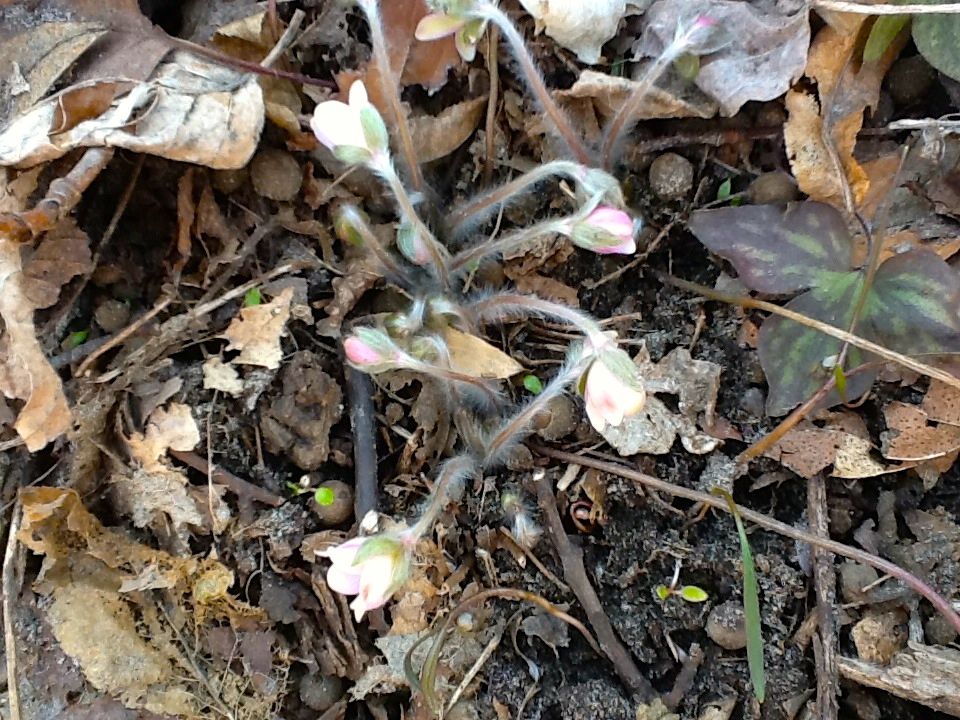
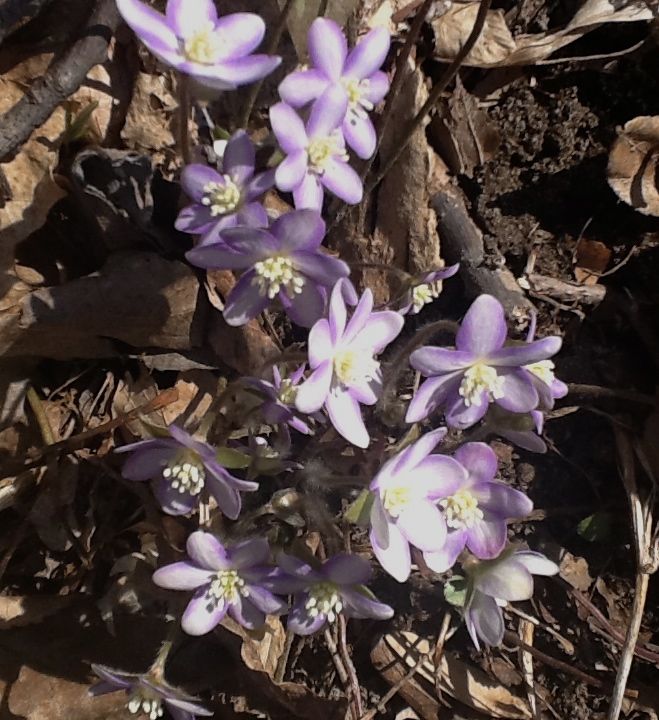
On this warmer but still gray afternoon in early April, with only a hint of green and hepatica (yay, hepatica!)  in the forest leaf cover, I feel like I have started a thought and lost it, mid-sentence. What were all these plans I had as recently as January 1? I had what I thought was a year’s worth of desires lined up. All I had to do was follow through.

hepatica

Yay, hepatica!

Maybe it wasn’t a year’s worth; maybe only three months’ worth.

No, that’s not quite right. Some of those plans are accomplished, ta-da, done! Or almost. I work really fast when I put my mind to it. Others are not yet fully executed. I have done the easy parts and many of the hard parts but now there are some really hard parts left and I am running out of steam.

In the accomplished column is the publication of a book that I thought I would never finish writing and revising, let alone publish. Ta-da, done! I did this much faster than I thought possible and had fun mastering self-publishing, which has come a long way in the last few years.

In the nearly accomplished category: weight loss. I thought I couldn’t do it and then I did it. Ta-da, goal in sight!

Yet to do: get back to biking. But I have made progress by finding the guy who will help me get on the right bike. I will visit that shop outside Detroit again in the next month. Meanwhile, I will start to toughen my butt on my old bike as soon as the conditions are right. (I require temps in the 50s or above but not too hot, no rain, not too much wind. Today is a tiny bit rainy and besides I already got my exercise at the Y.)

However, what is really bothering me on this too-open afternoon, making me feel like a cowardly, unmotivated lazybones, is that I haven’t yet started my Next Big Writing Project.

But come to think of it, that’s not true. I have started the project but it is not yet at the writing stage.

  • I think I know what it is. I want to write about Mennonites in Congo and the power of music and faith in some of the toughest circumstances on the globe.
  • Since making two trips to Congo last year, I have been working on developing a special relationship between my church here and a congregation in Kinshasa.
  • I have revived the Congo Cloth Connection to create relationships and fund projects for women and children in Congo–we’ll do another big cloth market at the Mennonite Church USA convention in Phoenix in July.
  • And I am starting to think about my next trip to Congo.

I am hung up on this last point, however, the next trip. This will be a trip I do entirely on my own except my husband will go with me this time. But no sponsoring project, no special occasion like a centennial celebration, no fellow travelers. I want to go to visit churches and listen to as many choirs as possible. I want to go to write. This would be a research trip for my Next Big Writing Project.

There is a gap between the desire to do a thing–go to Congo on our own and listen to choirs–and making that happen. It is in this gap that the desire begins to doubt itself. Do I want this badly enough to do everything it takes to make it happen? All the money, logistics, contacts needed to travel in that compelling, outrageous country. Just for me. Just to write.

I need to believe in myself both as a doer and as a writer in order to move off square one. I am writing this as a statement of intention. If you wish, hold me accountable. Cheer me on.

Forced fossil fuel fast

I am in day two of a fossil fuel fast; that is, I am going nowhere by motor vehicle and using as little electricity as possible.

Sometimes I do this on purpose but not this time. The battery on my car is dead and I’ve decided to wait for Vic to come back from Chicago to deal with it. So I am trying to put a positive spin on the situation.

It is appropriate, and maybe a little ironic, that the battery turned up dead two days after we participated in an afternoon of prayer of lament and hope at a site along the Enbridge oil pipeline, which is scheduled to expand this summer so more awful Alberta tarsands oil can gush to fill hungry oil appetites here and around the world. The new line will replace or more likely supplement the old pipeline, which made a big mess of the Kalamazoo River in 2010.

This event was at a retreat center 40 miles away but the pipeline also passes within a mile of our house and through the property of our beloved Community Supported Agriculture farm. Because of the pipeline construction, Bertrand Farm will have to curtail most of its production and all educational activities this summer. Our farmer, Theresa Niemeier, rode to the event with us. Brownie points to us for carpooling in a battered, fuel-efficient Focus.

This was not just a protest against Big Oil. The pipeline expansion is a done deal and besides, in Pogo’s immortal words, “We have met the enemy and he is us.” In the moving rituals of the day at the Hermitage we confessed our own dependence on the oil economy, mourned with the trees that will be felled, and danced our hope and determination to do better.

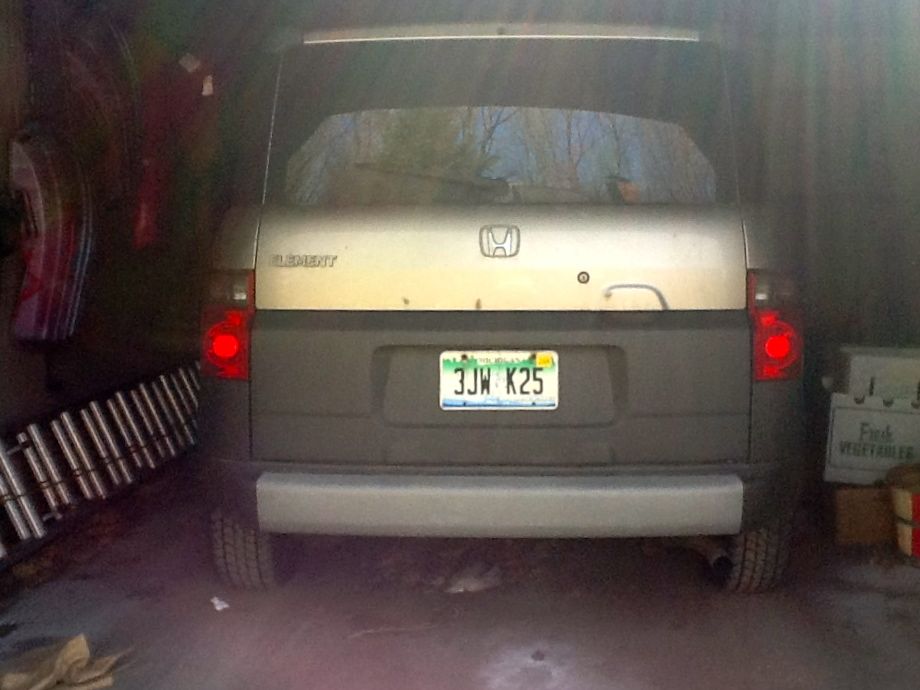
Maybe the aging Honda got the message and decided to help out by doing a sit-in in our garage. You want to drive less, why not start right now? (And by the way, April Fool except this is real.)

element

And so I am walking the road in the chilly winds rather than going to the Y for exercise, eating up the wilting veggies in the fridge, keeping the thermostat low and the fire high, and hanging laundry out to dry.

laundry

Forced to stay home, I’ve also been out in the woods every day checking for blooming hepatica, our first spring wildflowers. Despite the cold they’ve begun to raise their fuzzy stems and fragrant blossoms to the sun.

hepatica

Cooking and shopping

I went clothes shopping yesterday even though I had vowed not to until I reached my goal weight (~ 2 pounds to go). It was a case of spring fever, stirred not by the arrival of spring but by the continued failure of spring to arrive.

I tried to ward off the shopping urge by cooking up a couple of tasty things in the morning since my freezer stash of MREs (isn’t that what the military calls them? Meals Ready to Eat) was diminishing. For dinner I made a sweet potato–kale–chickpea stew that was a little disappointing. Too many sweet potatoes. I followed a recipe that I won’t use again so I will not pass it on.

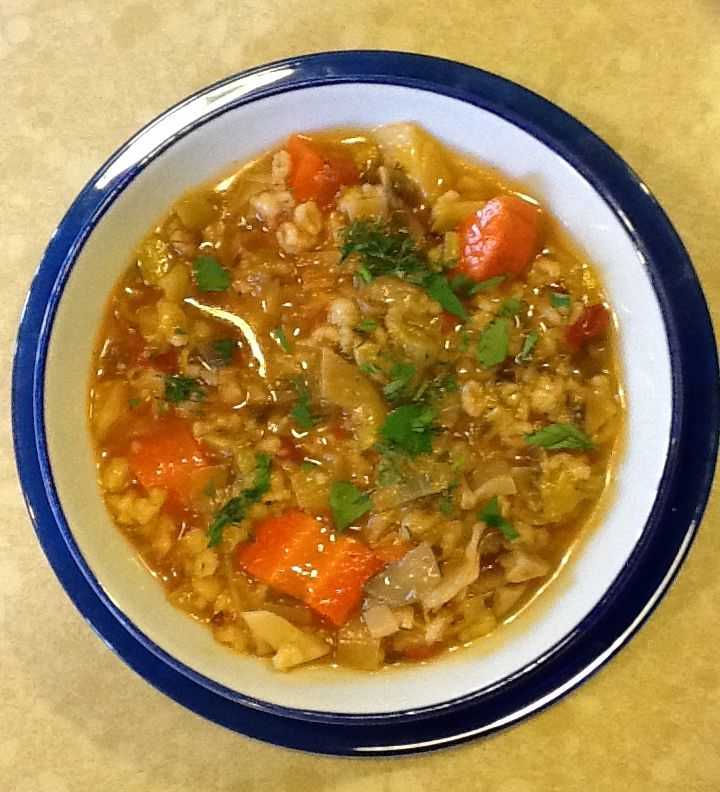
For lunch I made up my own vegetable-barley soup and that was outstanding. Let’s see if I can remember what I put in it.

soup

Practical Mystic’s Vegan Borsch

Contrary to conventional wisdom, borsch does not have to contain beets. It is just good vegetable soup. However, every borsch I have tasted in Russian and Ukrainian households is scented with dill and includes cabbage, which is why this vegetable-barley soup tastes like borsch to me.

Chop and sauté in olive oil:

1 fat leek

2 cloves garlic

1/2 small cabbage

2 stalks celery

2 huge carrots

1/3 lb mushrooms

1 t. dried basil

1/2 t. pepper flakes or to taste

When leek and cabbage are wilted and you smell the mushrooms add:

2/3 cup barley

1 can crushed tomatoes

about 6 cups vegetable broth or to desired consistency

a bouquet garni of a few sprigs of fresh parsley and dill

Salt and pepper to taste

Simmer for half an hour or until barley is tender. Remove bouquet. Stir in more chopped fresh dill and parsley. If you’re not vegan you can serve it with a dollop of sour cream but it is really fine without.

Eating this soup for lunch with my husband just seemed to fortify my shopping urge, however, so I gave in and headed toward the outlet mall.

Confession: This is not the first time I’ve broken my vows and gone clothes shopping. However, on the first excursion 10 days ago to the nearest mall I saw absolutely nothing I wanted to wear. Truly. I am no fashionista but I apparently do not dress the way women in this region do. Besides, in the local stores the plus sizes, what they now call “Women,” are right out front, crowding out the size 10 petites that I hope to fit into. Sadly, obesity is the new normal in small-town northern Indiana and southern Michigan.

My fondest hope is to wear fitted little jackets. The local stores weren’t even showing fitted little jackets.

I came back determined to wait out the weight loss, go for a true spree in April to Oak Brook Mall near Chicago, and buy me some real clothes. But then I thought of the outlet mall in Michigan City, 35 minutes in the other direction, and I decided to just go look without any expectations at all.

Although there, too, many, many ugly clothes were on display, the veil was lifted from my eyes and I began seeing things I wanted to wear. I ended up buying a pair of jeans, a pair of dress pants (10P!), a little green top (M!) and not one but two fitted little jackets (12 but that’s okay) before I ran out of shopping steam.

Such irreverent preoccupations for Holy Week. We didn’t make it to the Maundy Thursday service but it was good to see the new Pope commemorating by washing the feet of juvenile delinquents. This evening we will go to Tenebrae, I promise.

No sign of spring except me

No sign of spring except me


I don’t eat any of that stuff

I should write something spiritual for Holy Week but food is on my mind.

I am in the 147s this week, two pounds to go. This morning, however, I felt like eating and eating so I ate two pieces of GF toast with honey and coconut butter along with my smoothie. It was not hunger. It was loneliness and relief and any other emotion you can name. Heightened feelings of any kind can make me want to eat. Not always, not as much as they did six months ago, but often enough to remind me of the need for continued vigilance.

It helps to have eliminated whole categories of food from my diet–we’ve gone gluten-free vegan for Lent and perhaps, with some minor modifications, forever. I am no longer tempted by real bread. Meat has no appeal whatsoever though maybe some fish. As soon as I think about taking myself out to lunch to celebrate getting through a difficult conversation I think about wading through a menu of glutinous, cheesy, meaty gunk and say no thanks.

It is funny to see a big gloppy sandwich in a TV commercial and be tempted for an instant and then imagine biting into it and thinking, no, I just want a tiny slice of that sandwich, three bites. Really. The thought of eating the whole thing or even half of it is overwhelming. But it is bread and meat and cheese so I don’t have to even think about it.

“I don’t eat any of that stuff” is my new mantra. I was repeating it and laughing when my daughter-in-law was describing the perfect mac and cheese she’d had at a restaurant. There is a great sense of freedom in having liberated myself from even having to consider foods that I know are bad for me, and, progressively, from even the hunger for them.

The rewards are considerable. I continue to lose weight steadily and my cholesterol and Vic’s blood sugar and blood pressure are back within healthy range.

It is very much like giving up cigarettes (I speak from experience; I smoked for two years when I was old enough to know better). You may wish for a cigarette or a cheeseburger now and then but you just don’t want to go down that road. The hunger goes away if you don’t indulge it.

The difference with food may be that you can usually have a few bites of a bad food, if you really want it, because depriving yourself might make you want it even more. This is what most experts say and this is the Weight Watchers philosophy: Don’t deprive yourself.

I don’t totally buy that. Here is where narrowing down what I eat helps. If I feel like indulging myself I can usually find a substitute within the categories of food I allow myself–because self indulgence is really what it’s all about. Treats. Want a cheeseburger? How about, instead, a salad loaded with goodies like avocado and nuts and dried cranberries? Want a slice of Chicago-style pizza? How about, instead, two slices of Amy’s GF-DF Spinach Pizza with a glass of red wine?

Pulling this switch on myself reminds me of how I often handled my young children: how about playing with this set of measuring cups instead of that glass vase? The hungry little kid in me wants something but it doesn’t have to be a cheeseburger. This morning’s treat was the extra toast. It was enough. I stopped wanting to eat and eat.

So. No ham and scalloped potatoes for Easter. I don’t even want them. I may break the vegan fast and serve salmon with the usual grilled asparagus and maybe a pilaf and strawberries with whipped coconut cream and have two glasses of wine. That sounds like a feast to me.

First Things first

There are so many things I have to do first thing in the morning.

I have to have my tea.

I have to have my breakfast and take my meds.

I have to have my fire in winter and it is still winter.

I have to satisfy my curiosity about the world and my friends.

I have to meditate.

I have to journal.

I have to do my alignment exercises.

That last thing, the alignment exercises, is the newest First Thing I’ve introduced into my morning but I’ve noticed that recently it has fallen by the wayside.

There is no order to these things; it’s more like, I have to do each one of these things first. So many morning urgencies.

When I look at this list I understand why the new morning practice of exercises has gotten lost. Why do I think I have to do them first thing in the morning? Because the guy who wrote the book said I should. “Do these exercises first thing in the morning so you get the benefits all day.” Of course.

Same thing with the journaling. I subscribe to Julia Cameron’s Morning Pages theory, expounded in The Artist’s Way: that writing just after rolling out of bed gets your creative juices flowing and of course if you have had dreams that is the time to get them down.

And I also believe that the day should begin with God because (apologies to God and Coke) Things Go Better with God. So I do want to meditate for 20 minutes. First thing.

However, if I listen to my sleepy mind and spirit and my chilly body, I really want that hot tea and warm fire first. And I have to take a daily pill before I forget and it has to go with food so I make and eat breakfast while I’m at it. So that’s three First Things right there.

fire

If Hazel were here she would trump all First Things but she isn’t and Vic isn’t and so today I have only the fire.

And if I open my computer to journal, how can I avoid checking email, news headlines, and Facebook? This is just normal human curiosity. Maybe this is why Cameron was pretty adamant about Morning Pages being written by hand. But The Artist’s Way was written pre-Facebook. She just thought creativity demanded handwriting. Not for me. I’ve been journaling on the computer for 15 years. This is especially important now because if I start journaling something cool I can ease right into writing a blog post, which is what I am doing right now.

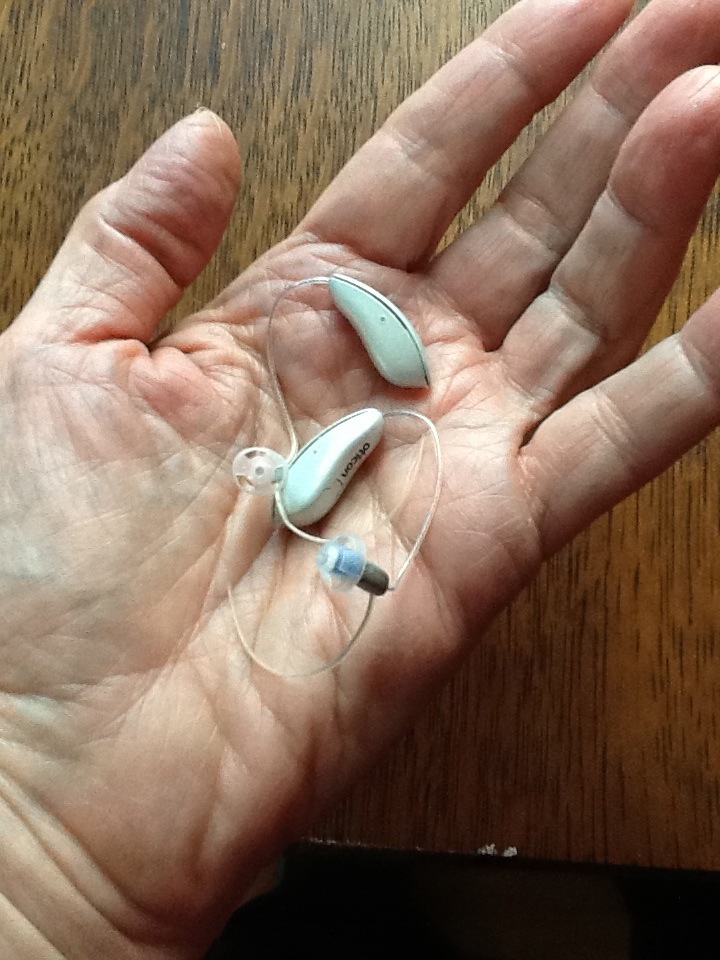
So blogging inserts itself as yet another First Thing today. Plus, I really intended to carry the laundry basket down to the basement and start a load of laundry First Thing so it could dry on the racks during the day but by the time I’d pulled my clothes on and remembered to put in my hearing aids (another First Thing) I forgot the laundry.

laundry

Just as well because yet another First Thing was calling me as I looked out the window and saw yet another lake-effect snow decorating the landscape on this First Day of Spring and I just had to get that picture on Facebook First Thing, before anyone else did.

snow

And while I was taking pictures I noticed my iPad had captured a nice view of my kilim that didn’t show the dirt.

kilim

But before posting to FB I had to check if anyone else had posted the snow and they hadn’t, but I read what they had posted including some articles. And of course I checked email.

But before that I did make the tea and my breakfast smoothie (recipe below) and the fire so I could be warm and cozy and optimistic while I held my warm Mac on my lap, surfing and writing. And I shared a tiny bit of milk with the cat (whole milk for my tea is my daily deviation from my Lenten vegan diet).

So I have been up for a couple of hours and still have a number of First Things to do, including meditate.

Fortunately I don’t have to go to work anywhere or get any kids ready for school or walk down to a river to get water or any of the other First Things my sisters around the world have to do.

African

Photo by Kongo Lisolo

But I think I need to find another slot in the day for those alignment exercises. It’s almost lunchtime.

First Thing in the Morning Smoothie Which Tastes Better Than You Think

Blend in the food processor:

1 cup raw oatmeal

2 T ground flax or whatever healthy additives you are into (I add a green veggie energy powder which makes this smoothie ugly brown)

1 orange

a handful of berries (I like frozen blueberries)

some applesauce or a banana

a splash of whatever milk you are into, or unsweetened yogurt

This serves two, or you for two days. The oatmeal gets even thicker by Day Two.

The strange country of hearing loss

102035458_L copyAnyone who suffers from hearing loss or has friends or family members who do should read Katherine Bouton’s important book, Shouting Won’t Help: Why I—and 50 Million Other Americans—Can’t Hear You. Bouton, a former New York Times writer, suffers from severe hearing loss that came on by sudden stages beginning in her thirties. My hearing loss is mild to moderate and it came on gradually with age. But I recognized myself and my brothers (and our father before us) in her description of the physical, psychological, and social effects of hearing loss, how we try to cope with it, and how people with hearing loss are treated.

You probably don’t know how many of your acquaintances have hearing loss. It is a nearly invisible handicap. Those of us with hearing loss, of course, prefer it that way. I don’t hesitate to put on reading glasses when I need them but I am careful to brush my hair over the tiny wires in my ears. Hearing loss has a bad image.

My little helpers. Now you see them ...

My little helpers. Now you see them …

I try not to ask people to repeat themselves too often because saying “What?” all the time—or “Howzat?” like my father used to say—makes you seem not quite with it, and actually, you aren’t. If you are as old as I am it is also a sign of age. Recent research showing an association between dementia and hearing loss doesn’t help our image at all. My father suffered from dementia along with severe hearing loss in his final years.

... now you don't.

… now you don’t.

And so I fake it, pretending to understand, guessing sometimes (and making myself look even more foolish when I get it wrong), and often withdrawing from conversations that spin away from my comprehension. And this is with mild hearing loss. One of my brothers has been deaf in one ear since early childhood and has significant loss in the other ear. He coped by withdrawing, becoming the quiet one. He managed to deflect attention from his handicap so effectively that I never thought of him as hard of hearing until he began wearing a hearing aid in his “good” ear in middle age.

Other people take the opposite tack, initiating (I won’t say dominating) the conversation so they know what’s being said. Another brother tends to do this.

Even if you tell people you have hearing loss they forget and you don’t like to keep reminding them. Or they speak louder, directly into your ear, and that really doesn’t help as the book title implies. More important, they, and you, may assume that if you have hearing aids you should be able to hear normally—and if you don’t you should get better hearing aids. But, as Bouton explains in helpful detail, there is a  disconnect between the job of the ear, which is to register sound, and the job of the brain, which is to interpret it, so hearing aids will never substitute for normal hearing.

As you lose hearing the brain loses the ability to interpret the sounds that do come through. To see what this is like put a pillow over your head and try to carry on a conversation. Hearing aids help the ear but, because sound coming through them is different from sound picked up by the normal naked ear, the brain has to relearn how to interpret it. This is hard work.

I have had a lot of experience learning foreign languages and traveling or living in countries where I understand the language imperfectly. It requires concentration and it is fatiguing. I can speak and understand French very well in the morning but when I get tired at the end of the day I may sit back and let the talk go on without me. The understanding part of my brain stops working.

With hearing loss, understanding my native language is a lot like that. In fact, the first clue that I was losing my hearing was when I began having difficulty understanding plain, spoken English in movies, in overheard conversations, and in conversations in noisy settings like restaurants. The spoken words degenerated into familiar but meaningless strings of sound like Russian at a late-night house party. If I concentrated I might pick up the thread and suddenly start understanding enough that I could fill in the gaps. But I could easily tune out and understand nothing at all.

The other day I had to give up on a conversation with my granddaughter. Toddlers have their own charming language. When I am with her I can usually understand her and if I can’t it’s because she has shifted into Chinese to talk to her daddy or her dolls. But on a cell phone, from a car, with intermittent transmission? It was English for sure (“Gamma! Gamma!”—that’s me) but I could barely understand even her mother’s translation. I think she was saying she wanted to come back to my house.

So here is my advice: Treat people with hearing loss like perfectly normal foreigners. (Unless you are zenophobic, in which case you might not be nice to us, either). Be considerate. Recognize that we may not understand you perfectly, especially on the phone. Look at us when you speak—hurray for Skype and FaceTime—because we need to read lips and faces for additional clues. Speak at normal speed but clearly. Enunciate! Make an effort to include us if we seem to be dropping out of the conversation. Don’t make fun of us. And don’t shout.

For our part, we must not be shy about calling attention to our handicap. Hence this post.

Sugar time

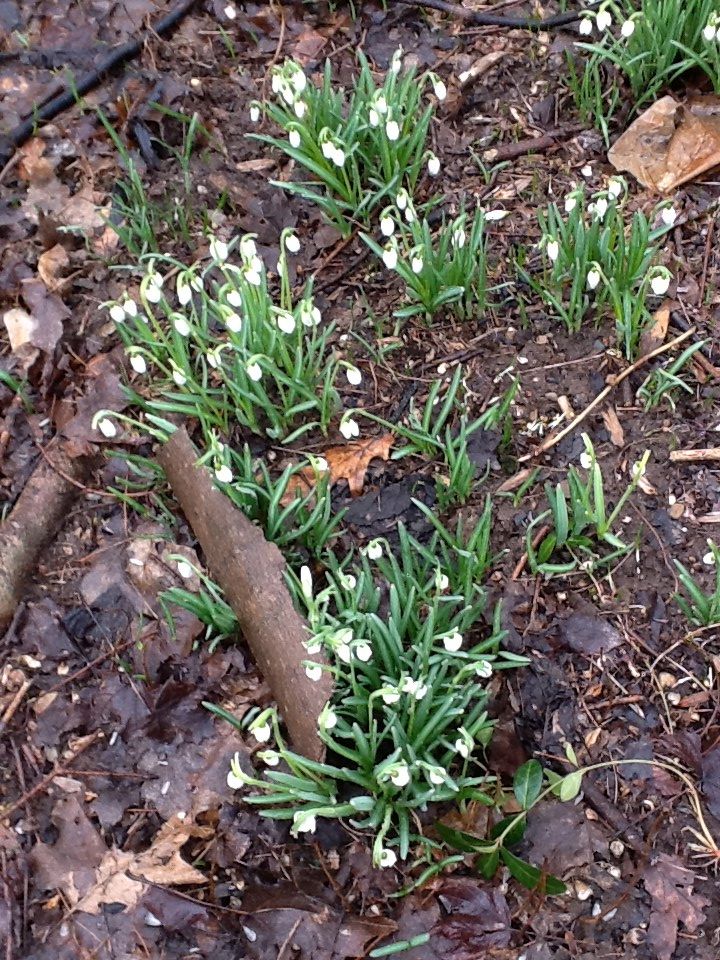
snowdrops

Suddenly the snow is melting. Spring may be almost here. The snowdrops thought it was coming in late January already but they had to endure who knows how many heavy snow blankets after that. Finally, here they are in all their glory, looking down at the mud.

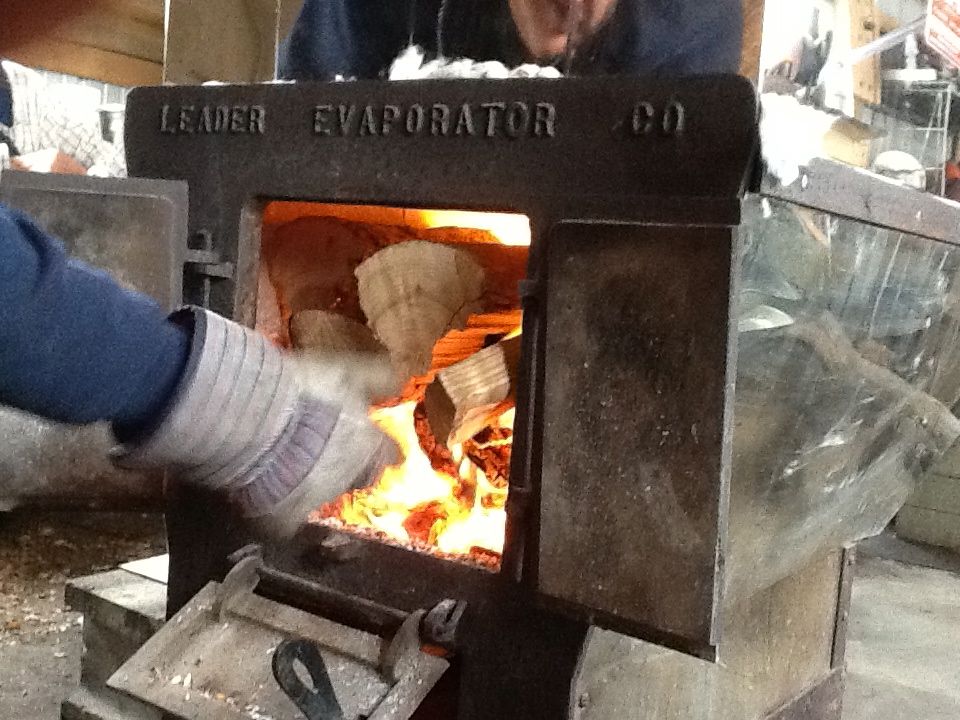
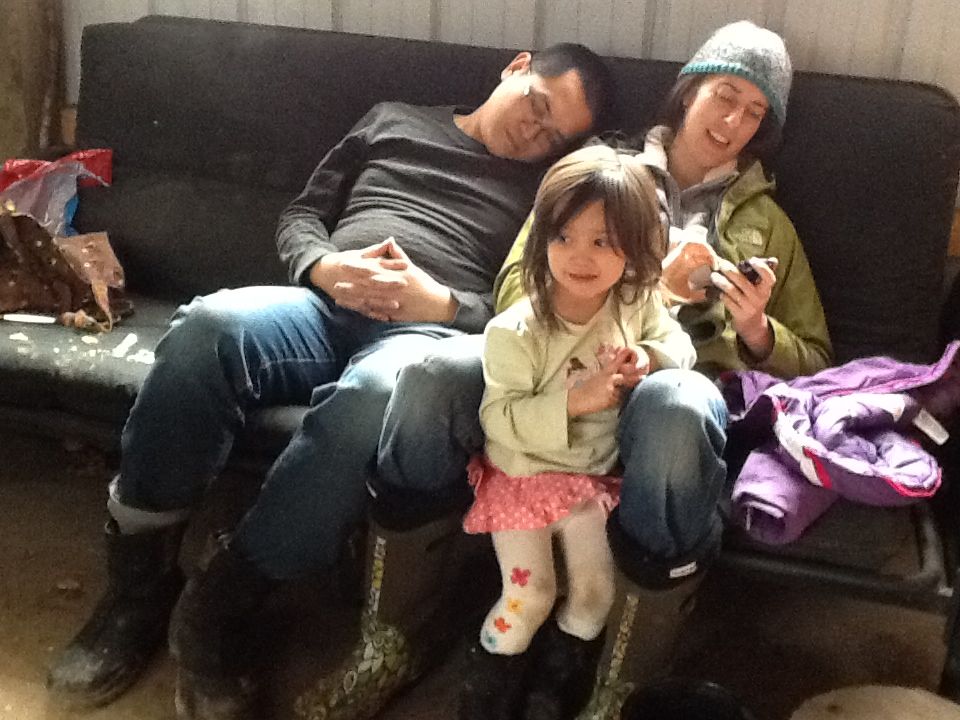
Lots of mud. Mud is a special treat for our two-year-old, Hazel, who came to visit over the weekend with her mommie and daddy to help make maple syrup in my brother’s woods in northern Indiana. There was enough mud to make Hazel very happy, along with piles of slushy snow to tromp through, sap to sip direct from the tree, and syrup to guzzle warm from the cooker.

chips and mud

Unlimited chips! unlimited mud!

The heat makes everybody sleepy except Hazel. Safer to send her outside

The heat makes everybody sleepy except Hazel. Safer to send her outside

hanging out

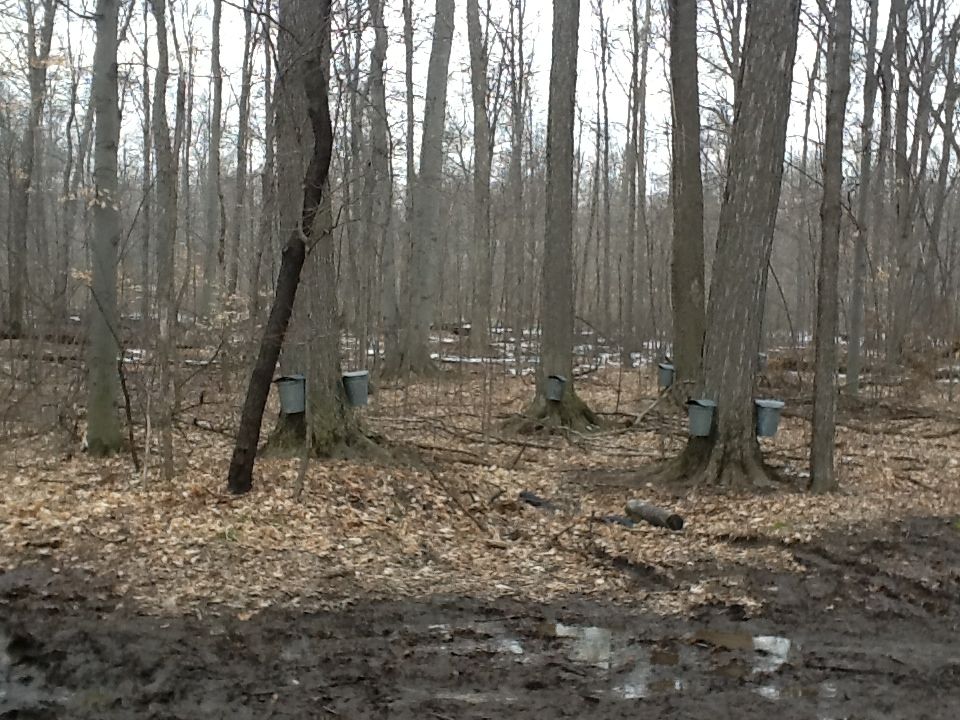
Maple sugaring gives us something to look forward to in this northern, muddy end of winter/beginning of spring. The ground has to be a mess for the sap to run well—thaw by day, light freeze at night. It happens right around spring break. Even though I am impatient for warm weather, I wouldn’t trade a day in the sap shack with my family for a week in the Florida sun.

trees

My nephew Adrian is the fourth generation of our family to make syrup from these trees

My nephew Adrian is the fourth generation of our family to make syrup from these trees

When I go to the maple woods I bring food. Traditionally it’s brats, which we cook in sap on a potbelly stove, but this year I took a vegan soup and guacamole to go with more or less healthy chips. My oldest brother pretends to turn up his nose at healthy food but he did not complain at all about this soup. The large soup pot emptied over the afternoon, along with a goodly number of beer bottles.

Here is the recipe, which is my enhanced version of a chickpea-cashew soup recipe I got from a friend.

Practical Mystic’s Vegan Chickpea–Wild Rice Soup

3/4 cup raw cashews, soaked in water overnight and drained

1 cup dry chickpeas, soaked in water overnight and drained

2 tablespoons olive oil

1 large yellow onion, chopped

4 cloves garlic, minced

3 ribs celery, thin sliced

2 large carrots, cut in chunks

1/2 lb. mushrooms, coarsely chopped

1/2 teaspoon dried rosemary

3/4 teaspoon dried thyme

1 teaspoon salt

Fresh black pepper

3/4 cup brown rice

1/4 cup wild rice

6 cups vegetable broth

4-6 cups chopped kale or spinach

In a stockpot over medium-high heat sauté onion, celery, and carrots in olive oil with a pinch of salt for about 5 minutes, until onions are translucent. Add garlic, mushrooms, rosemary, thyme, salt and pepper and sauté until garlic and mushrooms are fragrant.

Add rice, wild rice, chickpeas, and broth. Bring to a boil, then cover and simmer until chickpeas and rice are tender, about an hour.

Meanwhile drain the cashews and place them in a blender with one cup of fresh water. Blend until completely smooth.

Add the cashew cream and greens to the soup after rice is tender and simmer until greens are wilted, 3 to 5 more minutes. You may need to add water to thin the soup if it seems too thick. Taste for salt and seasonings and let sit for 10 minutes or so to allow the flavors to marry.

It thickens as it cools, so if you are lucky enough to have leftovers, just thin with a little water when you reheat.