Spending pipeline money

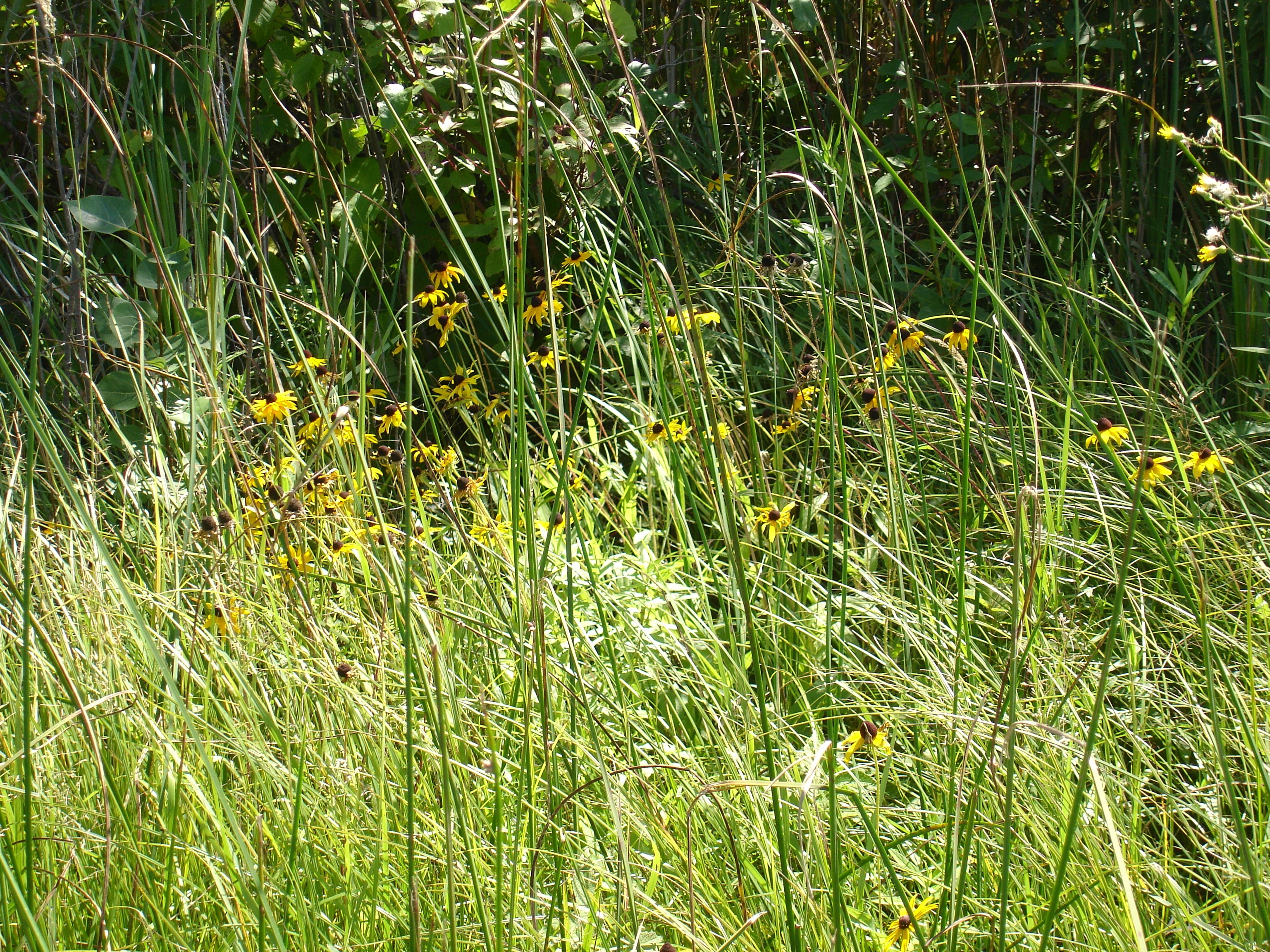
Dayton Wet Prairie in August

Dayton Wet Prairie in August

A broadband tower? My husband perked up when I told him that was on the list of possible projects the township was considering funding with the Enbridge pipeline guilt money.

The Enbridge money is a $15,000 grant to the township offered by the company that is plowing through our farms and gardens to update the pipeline that takes Alberta tarsand gook to the east coast and beyond. (Why does the pipeline dip down to the US side of the Great Lakes? Because the Canadians don’t want it.)

The only guideline for spending this tiny grant was that it was supposed to be for “environmental stewardship.” I didn’t see how broadband fit into that but, although I’d gotten myself on the committee to decide how the money should be spent, I hadn’t come up with any real ideas before the committee had its first meeting last evening. I thought I might even support a broadband tower if it came down to that. Better than cemetery improvement, which was another proposal.

I’d tried to get a local conservation group to bring ideas to the table. The group maintains a lovely wet blooming prairie on a dirt road a mile from our house. Wet blooming prairies are relatively rare. And fragile. You don’t want people tramping through, but I love walking the road and seeing the prairie at various times of the year. Now it’s moving into its loveliest stage of gold and purple and white blooms.

milkweed

Swamp milkweed in the wet prairie

But the conservation people hadn’t followed up on my phone call and email. So I just brought up the prairie at the meeting, saying it was a rare treasure right here in the middle of our rural township that very few people even knew about. The township supervisor said he’d never been by to look at it. But everybody was interested.

The brainstorming session ranged through a welcome sign for Bertrand Township, a new heat-exchange system for the township building, redbud trees along Redbud Trail, a new memorial for the fire station. The idea of a broadband tower was dismissed–not “environmental” enough, even though another township had used their grant for that. Sorry, Vic.

The idea of doing something with/for the wet prairie quickly rose to the top and stayed there. This rural township is politically and socially conservative. I was surprised that my fellow committee members–the Republican township supervisor, his assistant, a financial consultant, and a firefighter–were so enthusiastic about doing something truly “environmental” with the money. I promised to keep pursuing the conservation group for ideas about how we could team up.

The group doesn’t do much in our area–their work is mostly closer to Lake Michigan, where Chicago people have summer homes. I notice from the website that the three staff members all left high-powered jobs in Chicago to move to the tranquil dunes and woods of Southwest Michigan. I guess I should include myself in that category. We ex-Chicago people are not always beloved by the “locals.”

So when I spoke with the group’s outreach director this morning I emphasized how important it was to build good relations with the community and how nice it was to see some “local” enthusiasm for environmental preservation. She agreed. We talked about possibilities. She’ll get back to me.
susans

The pipeline cometh

road work

“Road Work Ahead,” the signs say. They make their first appearance a mile and a half from our house in the woods.

I walk down to take a picture. The “Smile Ear to Ear” is for our nearby farmstand, where sweetcorn is also making a first appearance.

Smile. Be happy. A corridor marked with party flags has been laid out through another neighbor’s strawberry patch.

flags

But this is not about our country roads, which are always in need of repair. It is not about parties or backyard festivities.

A mile farther east, the nature of the “road work,” the activities taking place in our neighbors’ backyards, becomes clearer.

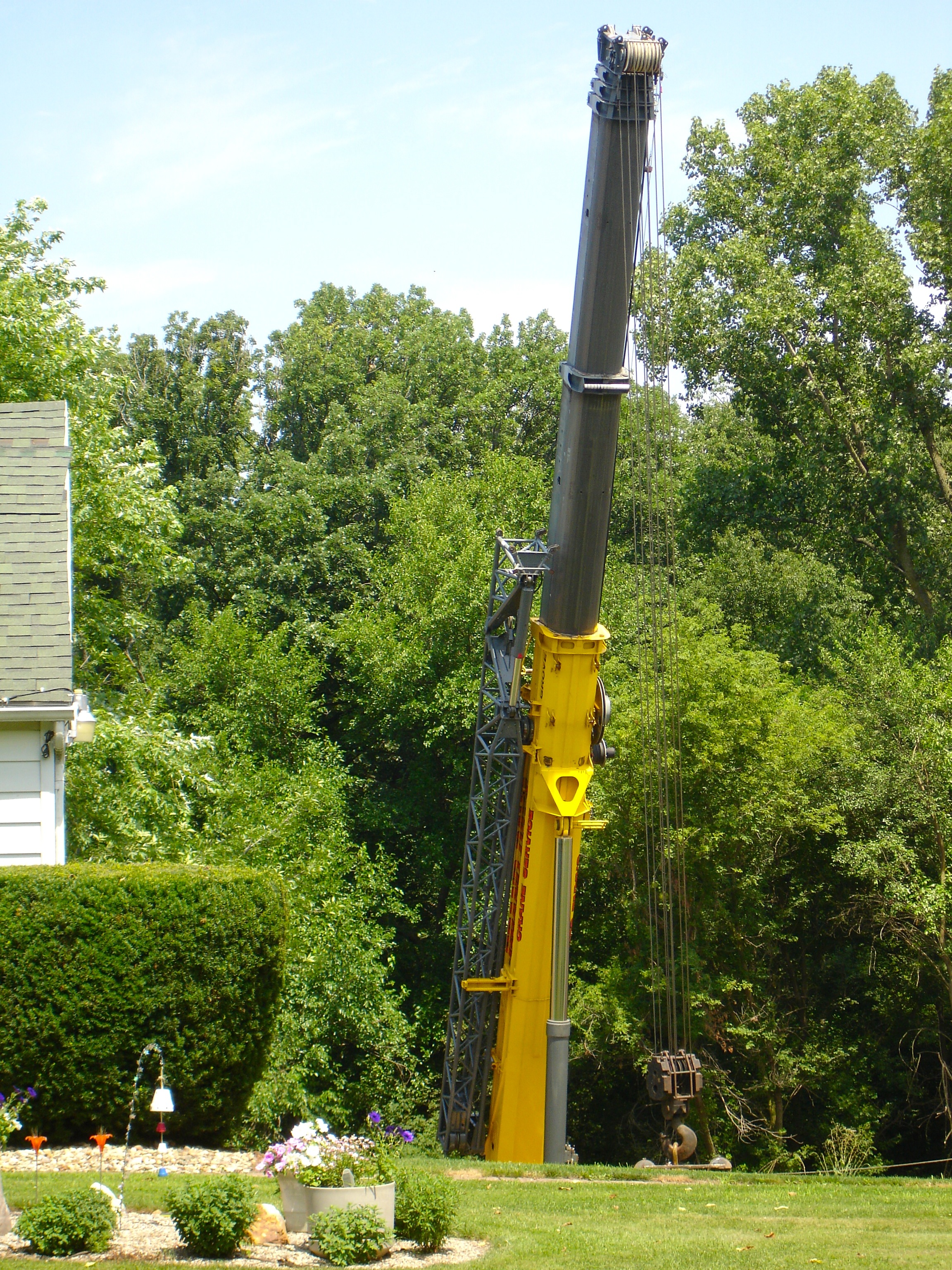
A crane pokes up behind a flowerbed.

crane

A ridge of dirt rises a few yards beyond the shade trees.

backyard

A “road” is being carved through cornfields.

pipeline

The trucks, the heavy equipment, the port-a-potties, and the pipe show up another mile further to the east.

trucks2

The “road” is for the Enbridge Pipeline, which is being laid to carry oil from the Alberta tarsands to the east coast of the USA.

This is not a new pipeline path. We already have a pipeline under our feet, under our corn and vegetables and horse pastures. That pipeline went in less than 20 years ago. Three years ago it leaked and created the worst spill ever in a body of fresh water, the Kalamazoo River, 50 miles away.

This new set of pipe is supposed to replace the leaky line.

Until it, too, leaks, I guess. Or until the oil or our appetite for it runs out, i.e. not any time soon.

I saw that earlier pipeline being laid back in the late 1990s but I didn’t know–I didn’t think about–what it was. I was not curious. It was one of those big infrastructure things.

But meantime I spent a dozen years working in the environmental movement and I learned to notice such things, to think about what was in front of my eyes as well as hidden under my feet, and why these things are there, and what the consequences are and can be.

Such thinking is inconvenient for the powers that be, economic and political. So they call it road work. They pay a few dollars compensation to people whose backyards and farms and vegetable patches are being torn up and hope they’ll stay calm about it all. Most people do. Most people really need the money.

A notice appears in our township letter: “Bertrand Township is eligible for a $15,000 Enbridge Environmental Stewardship Grant. We are looking for volunteers to participate on an ad hoc committee for how to use these funds.”

I call up and volunteer for the committee. I call up a local conservation organization and tell them to start thinking about a proposal for spending Enbridge guilt money.

It’s a pittance, but hey. We can come up with a party to go with all those party flags. A party for the trees and the toads while we try to remember what is under our feet.


Intensive living

I have a habit of posting really trivial stuff just as horrible news is breaking. Last Monday I wrote about what makes people “like” something I’ve written and then I saw the news about the Boston Marathon bombings. So there it was, the trivia of my daily preoccupations set against something really important.

This morning I was thinking of writing something but first I caught up on the news. Boston is shut down as one of the alleged killers is being pursued. A Texas fertilizer plant turns into an even bigger killer. Chicago is flooded. The Senate chickens out on gun control.

I decided to postpone writing about the Zen of sewing. Maybe later, when the news has calmed down (when will that ever happen).

When I was traveling in Congo last year I would use occasional Internet access to catch up on Facebook and other news and I would think how trivial everything happening in the USA seemed—even disasters—in the context of the struggle for survival that engaged every Congolese I knew.

It’s not that they were leading tragic lives, but they were living more intensely. Everything about life in Congo seemed more intense: pain, struggle, joy, gratitude, love, conflict, beauty, ugliness. Being in the presence of this intensity was both exhausting and exhilarating. I miss it a little now. Perhaps my hesitance to write about my life in the face of Really Big News is really a regret at the loss of intensity.

We feel empathy with those in the news, those who are really suffering. But there is something artificial about the way our national attention swings from one city to another, one distant or not-so-distant tragedy to another, our empathy drawn out over degrees of separation that only emphasize our individual powerlessness to console, heal, prevent, protect.

Living intensely is the opposite of living at the remove of distance, the remove of the news. You can only live your own life intensely, not other people’s lives.

I think of this in relation to Newtown. We have been moved by that tragedy but not enough to enact decent gun laws because too many powerful interests, deep national divisions stand in the way. Too many degrees of separation between our empathy and real change. The “timing” isn’t right; the politicians can’t manage both immigration reform and gun control in the same session.

I’m not saying we are entirely powerless. We can throw the bastards out. But that takes time, organization, determination, working together. It takes intensity, which means bringing it into the days of your own life. Like maybe working in a political campaign.

Meanwhile, I’m practicing intensive living. Some days that just means doing a sewing project and learning something from it. Maybe I’ll write about it, maybe I won’t.

Why do you like me?

I got a lot of likes from other bloggers on a recent post, My Next Big Thing. A lot by my standards, that is. My likes and follows have been trending upwards recently but this blog has not exactly gone viral.

After blogging for more than two years I am just now learning how the blogging community operates. My learning was delayed because I started out on Blogspot, where no actual networking went on as far as I could tell. I switched to WordPress last October for technical reasons and stumbled into the blogging community. WordPress has a number of features that promote networking. The main one is that when a fellow WordPress blogger likes your post you get an email saying:

“Soandso liked your post on the practical mystic.

“They thought My Next Big Thing was pretty awesome.

“You should go see what they’re up to. Maybe you’ll like their blog as much as they liked yours!”

And then it lists links to three “great posts worth seeing from Soandso.”

Out of curiosity you may check out this fellow blogger who likes what you wrote and in the process you increase the traffic to his or her site (I should give up grammatical correctness and say “their site” since “they” thought my post was awesome). I’m sure a lot of liking goes on purely to increase site stats. But it also connects you to people who might share your interests and it lets you know who your readers are, at least in the blogging world, which may not mirror the real world.

I guess the true test of love is if the blogger who likes your post begins following you, that is, getting an email every time you post. I can’t imagine inviting more email unless you truly care. I now have 56 followers, very modest by blogosphere standards but more with each post.

Since I started getting more blogger likes and follows I’ve been acting more like a community member myself, visiting blogs, occasionally liking, commenting, and following. Very occasionally. There are some gems out there but they’re rare. I am handicapped in this networking business by my writing snobbery. My remaining life is too short to spend reading bad writing and most blog writing is bad: trite, clumsy, sentimental, too much information of the wrong kind.

This is not a reflection on the blogger, just on his or her (their) writing.

Writing I willingly read doesn’t have to be perfect, just show some originality of thought or style. Something genuine. Something promising. Or, of course, a good blog might offer something helpful like recipes, though I will not follow a recipe blog that is badly written. I would like to find more life blogs like my own that meet my snobby standards but so far I’ve discovered only a few. I haven’t been looking too hard because I already spend too much time reading rather than writing or getting material for writing, that is, living. But if you have suggestions, let me know.

I know my writing snobbery puts me on the outskirts of the blogosphere because many terribly written blogs get way more likes, followers, and comments than mine. On the other hand my favorite blogger, the nature writer David George Haskell, who writes extremely well and always has something interesting to say, gets very few blogger likes. Go figure.

This brings me to the question of why that one post got so many blogger likes. It’s not just that I’m generally getting more readers, because other recent posts, which I think are more interesting, have gotten way fewer likes.

Here is my theory. It is because I wrote about being stuck in my writing and I ended the post with a tiny plea for support. “Cheer me on,” I said. And my fellow bloggers cheered.

We all need to be cheered on. Bloggers have recognized this need, both in themselves and others, and they have learned to respond. They respond to the vulnerability, the need for support, the confessions of failure and stuckness embedded in the writing, good and bad, that is being sent out into the ether.

Am I right?

Or maybe it was just some kind of weird, organized like bomb.

Clue me in. Share!

Forced fossil fuel fast

I am in day two of a fossil fuel fast; that is, I am going nowhere by motor vehicle and using as little electricity as possible.

Sometimes I do this on purpose but not this time. The battery on my car is dead and I’ve decided to wait for Vic to come back from Chicago to deal with it. So I am trying to put a positive spin on the situation.

It is appropriate, and maybe a little ironic, that the battery turned up dead two days after we participated in an afternoon of prayer of lament and hope at a site along the Enbridge oil pipeline, which is scheduled to expand this summer so more awful Alberta tarsands oil can gush to fill hungry oil appetites here and around the world. The new line will replace or more likely supplement the old pipeline, which made a big mess of the Kalamazoo River in 2010.

This event was at a retreat center 40 miles away but the pipeline also passes within a mile of our house and through the property of our beloved Community Supported Agriculture farm. Because of the pipeline construction, Bertrand Farm will have to curtail most of its production and all educational activities this summer. Our farmer, Theresa Niemeier, rode to the event with us. Brownie points to us for carpooling in a battered, fuel-efficient Focus.

This was not just a protest against Big Oil. The pipeline expansion is a done deal and besides, in Pogo’s immortal words, “We have met the enemy and he is us.” In the moving rituals of the day at the Hermitage we confessed our own dependence on the oil economy, mourned with the trees that will be felled, and danced our hope and determination to do better.

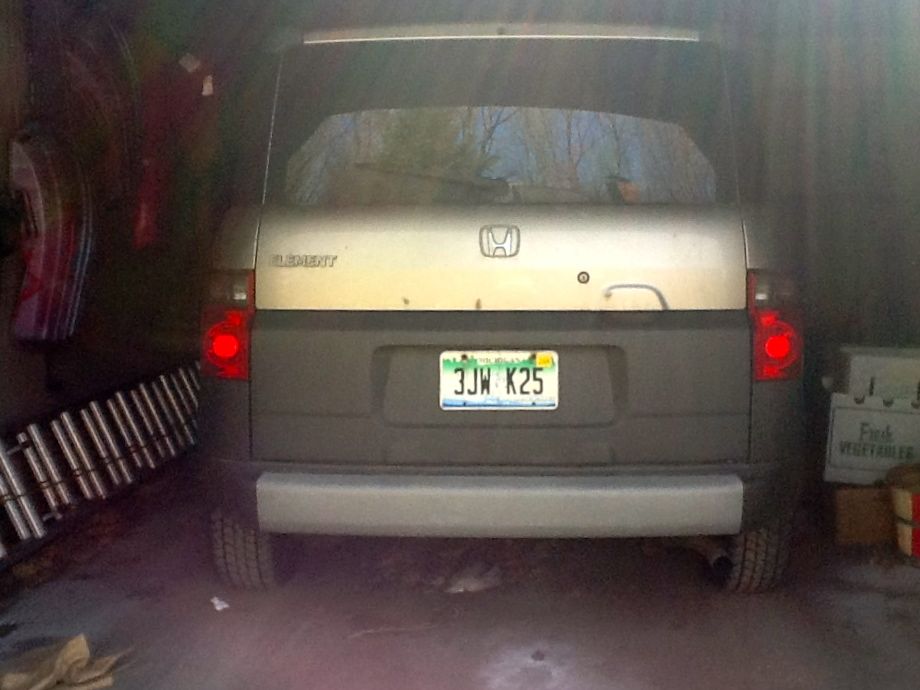
Maybe the aging Honda got the message and decided to help out by doing a sit-in in our garage. You want to drive less, why not start right now? (And by the way, April Fool except this is real.)

element

And so I am walking the road in the chilly winds rather than going to the Y for exercise, eating up the wilting veggies in the fridge, keeping the thermostat low and the fire high, and hanging laundry out to dry.

laundry

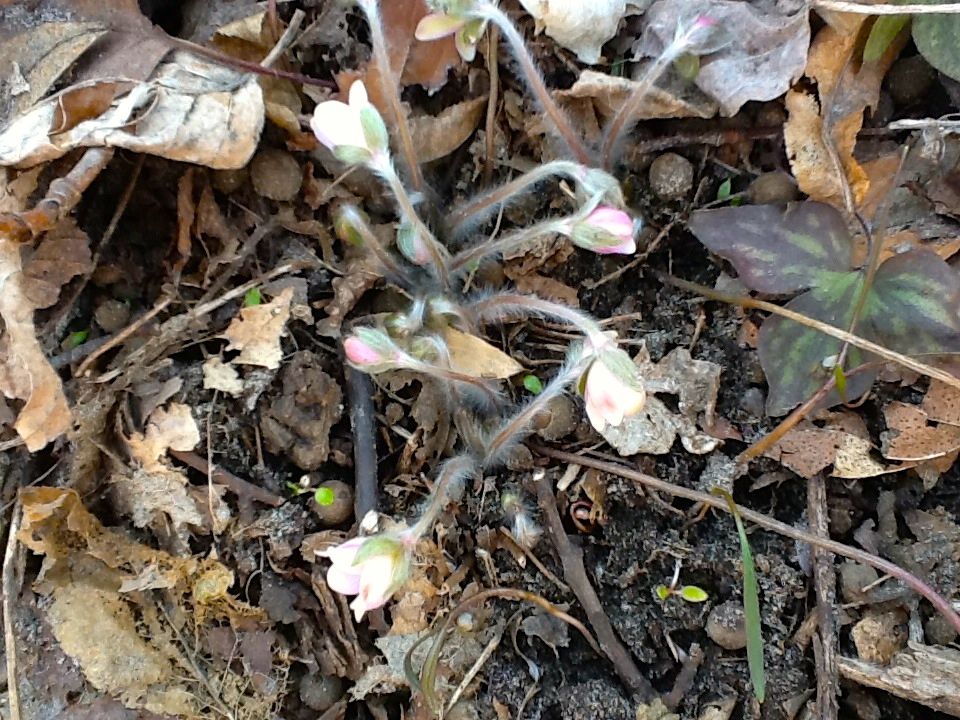
Forced to stay home, I’ve also been out in the woods every day checking for blooming hepatica, our first spring wildflowers. Despite the cold they’ve begun to raise their fuzzy stems and fragrant blossoms to the sun.

hepatica

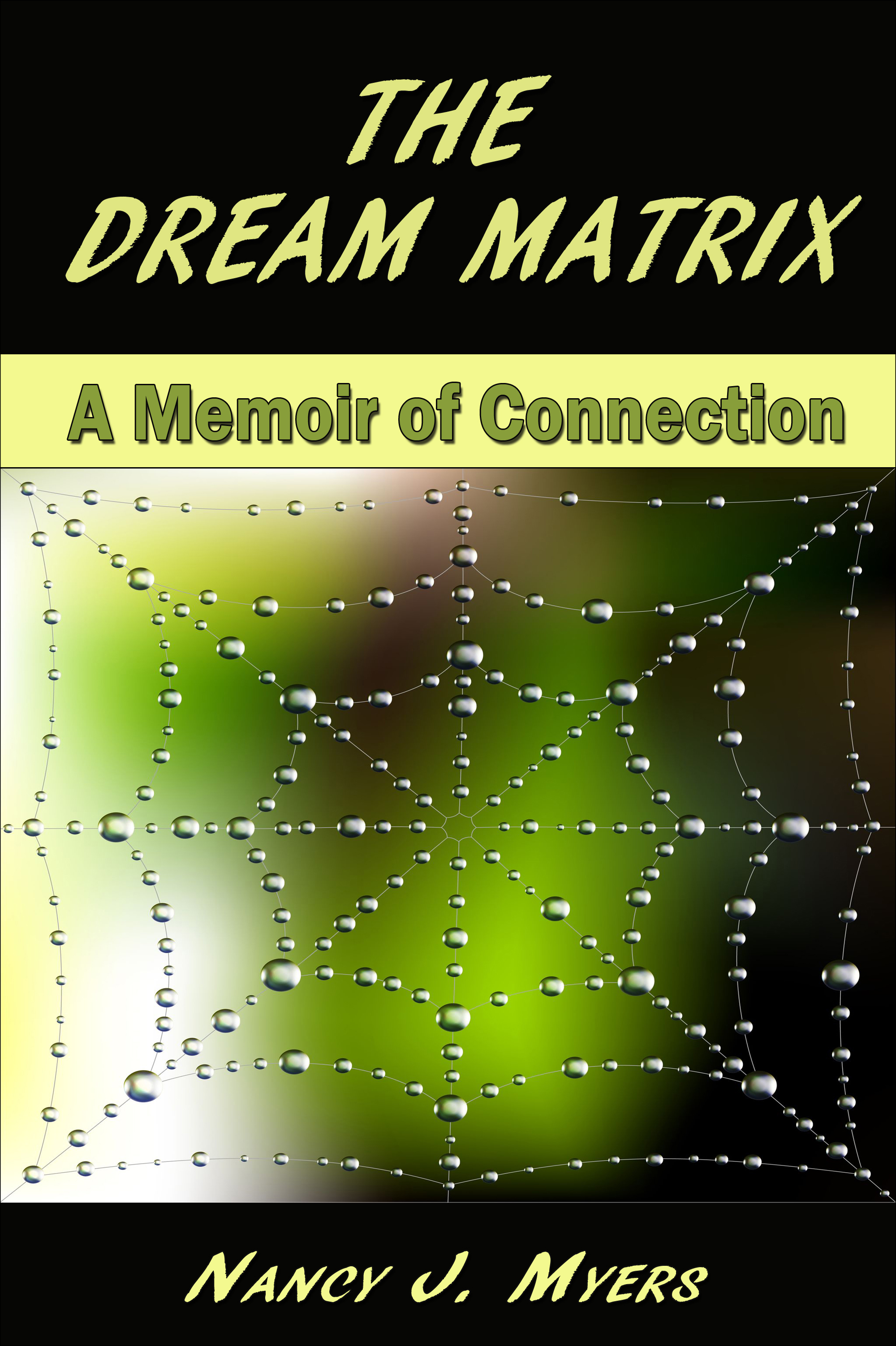
The Dream Matrix

DreamfinalWhen two women begin emailing their dreams to each other they find themselves in the strange, rich world of communal dreaming. The dreaming not only forges their spirituality and deepens their friendship but also becomes a gift to their communities. The dreams enter the arenas of church and environmental policy, as well as the lives of individuals, bringing healing, joy, instruction, and luminous connection with the Divine. This story shows how to share dream time with a community and bring that dreaming reality to the awake world. To those who struggle to do good in a difficult world it brings a comforting message: this soulwork is possible.

If this sounds like a book blurb, it is.  The Dream Matrix: A Memoir of Connection, my cheerfully self-published oeuvre, is now out in all forms, available in print and e-versions at Amazon and other major e-catalogues.

This book tells a cool story. Maybe quirky is the word. It is not deliberately quirky, however, like some movies (Amélie and Moonrise Kingdom come to mind). It is all absolutely true but the truth kept quirking out of control as I tried to capture it. And so I don’t want to hype it but say only absolutely true things about it.

I think, for example, that our dreams crossed borders of time and space. The narrator, my very real alter ego, Stranger (what can I say; quirky), points out when that happens but readers must judge. The way the dreams of my friend, Carolyn Raffensperger, and I crossed into each other’s territory at the time of our correspondence was pretty subtle. Others have far more dramatic experiences to tell.

But paranormal experience is not really the point. As I say in the prologue, “This memoir is a case study in tapping into a less conscious, less defined, less logical, less limited, more creative aspect of our individual selves, which embodies and lives our connection with other people, all life, Creation, and the Divine. . . .It is about getting beneath the surface in order to make surface life—individual, communal, social, including at the ‘policy’ level—more authentic and thus more beautiful. It is about connection. It attempts to describe the matrix for, and ecology of, that interweaving.”

I do believe I am a mystic. I certainly have had some mystical experiences and they enrich my faith. But I’m a practical mystic; that is, I believe such experiences must have something to say to everyday life and the workings of the visible world. This memoir is the backstory for how I came to believe that is possible and necessary. It is also is also a backstory—one of many—for some important ideas that are being made real in the world, such as the precautionary principle and guardianship of future generations.

I hope you will read it and let me know what you think.

The Civil War and climate change

MV5BMTQzNzczMDUyNV5BMl5BanBnXkFtZTcwNjM2ODEzOA@@._V1._SY317_CR0,0,214,317_I want to see the movie Lincoln so I read the book first. The movie is based in part on Doris Kearns Goodwin’s 2005 Team of Rivals—a biography not only of Lincoln but also his brilliant, contentious cabinet.

I know most of my favorite scenes won’t make it into the movie because the film is about a very small slice of Lincoln’s story, his efforts to get the 13th Amendment passed, abolishing slavery. I can’t wait to see two of my favorite actors—Daniel Day Lewis and David Strathairn—bring Lincoln and his secretary of state, William H. Seward, to life. But the movie should make you want to read Goodwin’s book. It is a great read and a revelation of the dynamics at play in that fateful time in our nation’s history.

There are many resonances with today. We could really use a Lincoln just now—a wise, canny, principled reconciler; a master at maneuvering the rift between factions and stitching them together; a genius of political timing; a big-hearted changer of minds. I know President Obama loves Goodwin’s book and reading it gave me a better idea of what Obama is trying to do. But, alas, there will never be another Lincoln. For one thing, I don’t think Obama has a great sense of humor. He takes himself very seriously. A good dose of Lyndon Johnson’s arm-twisting, storytelling skills would help.

In fact, Lincoln seems like an amalgam of the best qualities of some 20th Century presidents: FDR’s ability to rise to the occasion, LBJ’s political skills, Jimmy Carter’s generous spirit, Bill Clinton’s charm, Barack Obama’s intellect. Notice I’ve matched the first Republican president up with more recent Democrats. Goodwin agrees that if Lincoln were alive today he would be a Democrat. The parties have totally flipped. But Republicans have every reason to be proud of Lincoln.

One thing that has always bothered me about Lincoln is how such a great humanitarian could have presided over the slaughter of more Americans than have died in all wars before or since, combined. Okay, I’m a pacifist and I don’t believe in war at all, but even by the measure of “just” war, the Civil War was a disaster of disproportionate brutality.

Clearly, Lincoln believed he had no choice. I am not in a position to judge that. It seemed like all parties were marching in their own, long-since-laid tracks to confrontation. But I was struck in this reading by the sense that Lincoln made of it all as the war was drawing to a close.

In his Second Inaugural address, Goodwin points out, “The president suggested that God had given ‘to both North and South, this terrible war’ as a punishment for their shared sin of slavery.”

Saying God punishes people through natural disasters is one thing. But saying that God uses war, which is totally engineered by humans, as an instrument of punishment seems like stretching a point, laying responsibility in the wrong quarter.

Here is how Lincoln makes the case:

“Fondly do we hope—fervently do we pray—that this mighty scourge of war may speedily pass away. Yet, if God wills that it continue [I still cringe at this] until all the wealth piled by the bond-man’s two hundred and fifty years of unrequited toil shall be sunk, and until every drop of blood drawn with the lash, shall be paid by another drawn with the sword, as was said three thousand years ago, so still it must be said ‘the judgments of the Lord are true and righteous altogether.’”

Thus, he does not absolve humanity—himself included—of responsibility for setting the machinery of war in motion. It is, in fact, a reaping of what we have sown, and, at the same time, a terrible divine justice from which no one is exempt. It is us and it is God.

And if this is true, there is a lesson for us in these times as the hurricanes wreak havoc on our coasts, the droughts and floods devastate, the winters warm and the springs freeze. We are reaping what we have sown. We must do what we can to turn it around. But no one is exempt. It is us and it is God.

Election day in the other America

The gray-faced couple clutching Tea Party literature offered their driver’s licenses to be scanned and their names popped up in the ePollbook. Duly noted, I handed them their ballots.

They had stood in line for a long time because the turnout in this rural Michigan precinct was huge. Their shabby coats didn’t look all that warm, and getting here on this chilly morning had clearly required some effort. The woman grasped her husband’s arm as they shuffled to the booths.

My fellow Americans. I saw a wide range of people in my long day of working the election–all classes, races, and ages—but the numbers belonged to white people who bore signs of struggle. They were the ones I noticed as I played my part in the frantic but relatively well-oiled machinery of Milton Township’s election process. I noticed the poor, the grossly obese, the tired farmers, the harried parents who brought their kids because they had to, not because they wanted to teach them about democracy.

Despite or because of their struggles, these neighbors of mine were determined to have their say. They didn’t complain about the long lines. Instead, there were approving murmurs about the large turnout. In this township I could guess that meant the numbers would go opposite to my votes all the way down the ballot. That turned out to be true. But I also knew that this precinct’s results might not reflect the overall results in the nation or even the state.

I didn’t know how that was going. In the drafty firehouse we election workers were cut off from all communication about partisan politics or results. The township clerk did tell us, around midnight as we were retabulating ballots to try to account for a discrepancy between the numbers of votes and voters, that Michigan had gone to Obama. “Then why are we even doing this?” one of my Republican coworkers mumbled.

The missing voter was found—in the paper applications though not on the computer—at around 2 am. I drove home, turned on the TV, and caught the end of President Obama’s acceptance speech. I was so amazed and relieved that I poured myself an unaccustomed drink of whiskey (from a neglected bottle at the back of the cupboard, the only alcohol in the house), then another, because I was alone and had nobody to celebrate with except the cat, who seemed indifferent.  This was a big mistake. I proceeded to get mightily sick.

Even now my relief is tempered by the sadness, fear, and determination on my neighbors’ faces. They had their say but in the end it didn’t count for all that much. Unless their lives improve—and what are the chances of that happening anytime soon?—the fear and anger won’t go away. The divisions between my neighbors and me will deepen.