A lost dream

This morning I woke with a stressful dream about being in a barren, cement barracks with a group divided into men and women. We all have to take showers, get dressed, and get to a choral rehearsal across an unknown city, by unknown means, by an unknown but precise deadline. I get into the wrong bathroom, the men’s, and then get to the women’s but have to get something in a room and then can’t find the bathroom where I’d left my towel. Many more complications. I may not get the shower. I am wearing a long yellow dress with navy patterned tights and cloddy shoes. Will it do? I wake searching and searching.

This has echoes of the terrific novel I’m reading, The Orphan Master’s Son, which is getting more and more disturbing as it progresses. But the most distressing thing is that this frenetic dream wiped out a dream image from the middle of the night that I felt was important and that I surely could remember though I didn’t wake enough to write it down.

I lose dreams all the time and I always regret it. What treasure of wisdom or entertainment is now lost to me forever because the bubble burst before I could capture it in my memory?

Yesterday, though, I found a dream that had gone missing and it really was important. It belonged in my book, The Dream Matrix, but it ended up on the cutting floor in my last revision. Without it some later references make no sense.

When I discovered the mistake I immediately revised the book. This is one great advantage of self-publishing. The changes get registered almost immediately. If you already have a copy of the book and would like to have the missing dream, email me at njmyers@mindspring.com. It goes into the first letter in Chapter 3.

This discovery just goes to prove my own maxim that even a great editor (which I am) needs an editor. I dare you to find a typo in this book! And it reads really, really well. But earlier I almost ended up with two chapter fives.

I didn’t discover the missing dream. My wonderful writing mentor, Deena Metzger, who had read earlier versions of the manuscript, pointed it out. She actually remembered the dream, as I did—it was still in my head, which was why I didn’t notice that it had gone missing in the final revision.

Like any great teacher she tacked the note about the missing dream as a P.S. onto an ode of praise for the book. She claims she says these things not because she knows and loves me or because she is connected to the book:

I finished your book yesterday.  I had read it, rapt, whenever I could during the day. It is an extraordinary text.  Beautiful. . . .  And brilliant.  Startling in its insight, perception and intelligence. . . . We, readers, know at the end something of the possible range of what it means to be human, the potential for extraordinary understanding and accomplishment despite, or because of, the struggles and difficulties that we all encounter.

[As] one who was present for some of this and has read much of it before [I am] awed, really, by your ability to render the great mystery of connection with so much light and so lightly.  By your ability to render the great mystery of connection!  I am and am not surprised that Spirit would challenge two women who were raised in and practice a soulful religious path to see what else exists, how else Spirit moves in the world so that Spirit’s ways might become known so that we can begin to live accordingly.

Dream and daily life, religion and Spirit, meanness and generosity, possibility and devastation, dolphins, beached and leaping, Aberdeen and sacred trees, the grove restored, hard and relentless work about nuclear and environmental danger, the world restoried, and friendship, friendship, friendship, and love in so many of its forms, lived truly and passionately from the heart.

These words do not come close but your words do come close.  I will try to find the right words to honor your heartfelt work. . . .

I want everyone to read the book so they will know what writing is and can be, also, what might happen in a circle, what might come to be if one gives oneself, despite or through, skepticism, to everything that is indeed occurring and related in the holy universe that is without limitation.

If you aspire to write soulfully and for the soul of the world, you should work with Deena. If you want to know what that is like, read this book. You can start by telling and writing your dreams to a friend.

 

Impatience

IMG_0869

I was impatient for spring and then this happens. But isn’t it pretty?

Impatience is creeping into my weight-loss campaign, too. I have four pounds to go. This may not sound like much but it might take two months to get there.

The focus of my impatience is not my diet. I feel like I could keep eating this way indefinitely. Rather, it is about clothes. My wearable wardrobe is shrinking with my body: three pairs of pants, none of them dressy, and a few of my latest sweaters. The rest is baggy. I suppose it wouldn’t hurt to buy some new clothes but that would defeat several of my intentions.

The first was not to buy anything new until I reached my goal weight. I have had the experience of buying things that I thought would fit after I lost another pound or two–and then I didn’t lose the weight. This time, no wishful shopping.

The other intention was not to make this weight loss about appearance. It wasn’t at first. It was about health in the long term and energy in the immediate, as an indicator of health and vitality. And it is working. My energy is up. In a week I walk 10 to 15 miles and do several hours of yoga and other exercises. I sleep well and feel great.

By now, however, I am getting used to this new vitality. Ho-hum. So what else can this new body do? The next thing is fitting it into some new clothes. I am impatient to get to this next thing.

Impatience is unkind. Impatience lives in the future and dismisses the present. Impatience is in a hurry. Impatience is ungrateful. Impatience sometimes says what the heck and sometimes tries to muscle through.

It is not impatience that has got me thus far on this matter or on any other. Rather, I have come to a profound respect for the rhythms and pace of my own body and spirit. I know both the joy of discipline and the limits of willpower. I have come to depend less on treating myself to special rewards and more on recognizing the rewards that are already there. The thing I know to do is to keep focused on the present.

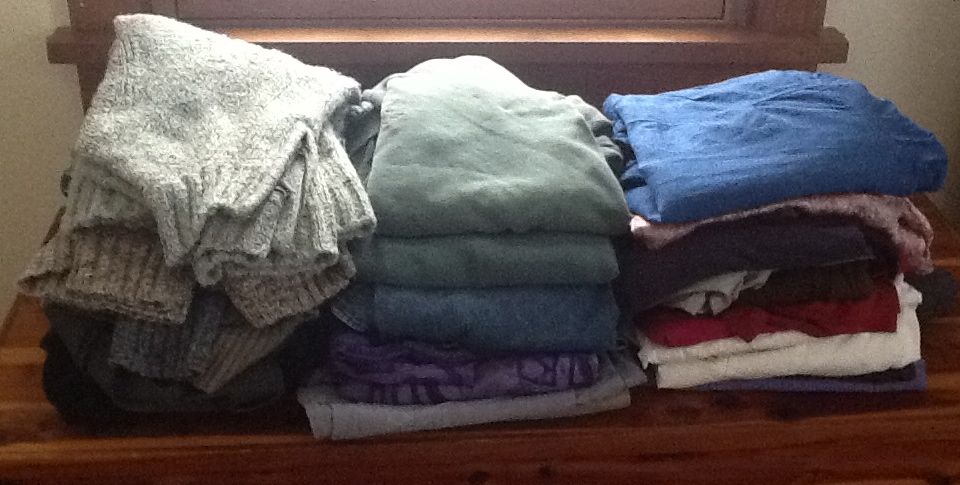
A snowy day is no good for shopping anyhow. But it is good for purging closets. Here are my baggy clothes, ready to bag up for Goodwill. Bye-bye XL! My closet is ready for those new clothes and I am ready for spring. All in good time.

IMG_0872


Lenten fast food

“Remember you are dust and to dust you shall return.”

The phrase struck home when we were marked with ashes on Ash Wednesday. Vic had just received some bad numbers from his physical exam. His blood pressure and blood sugar were both elevated despite regular exercise, a healthy diet by most standards, and very little excess weight. And we’re 68. So we were thinking about mortality.

He was in the mood to try something drastic rather than go on more medication, so on Ash Wednesday he was already in the middle of a juice fast, glugging down the life-force from pounds and pounds of vegetables and a few fruits every day. Meanwhile, I’d become aware of my own sensitivity to wheat and dairy and we’d already cut back on that, though I usually kept some regular bread around for Vic. So some signs were pointing us toward vegan gluten-free.

The beginning of Lent presented an invitation to conduct a physical and spiritual experiment. Could we bring Vic’s numbers down by subtracting some foods rather than adding medication? Could this practice enhance our spirits as well as our bodies? Oh, and throw in consideration for the earth and the community, too, as well as each other.

Lent seems a time to experiment with being really, really good. It is not so much about giving up as bringing awareness and attention, preparing, making an offering. We are bringing awareness to the food we eat, consecrating it as the sacred gift that it is. We are bringing attention and respect to the sacred gift of our bodies. And we are preparing for the final stage of our life, which will end in our death.

How’s it going?

After less than a week of juicing and then vegan gluten-free, Vic’s blood sugar had dropped 22 points to near normal. No other dramatic physical changes to report–my weight loss continues at the same tortoise pace as before. But the physical experiment seems to be working.

The spiritual challenge is more interesting. Can I, the cook, produce abundance with a much more limited range of ingredients? What about hosting–that is, sharing such abstemious abundance with others?

I don’t like following recipes but I’ve had to look up a few to get started. I won’t even share them with you because I altered them hopelessly even the first time I tried and I can’t remember exactly how. My meals are like snowflakes–no two alike.  Taste until it’s good. But here is a site that got me putting together some interesting soups and stews. I tend toward one-dish things.

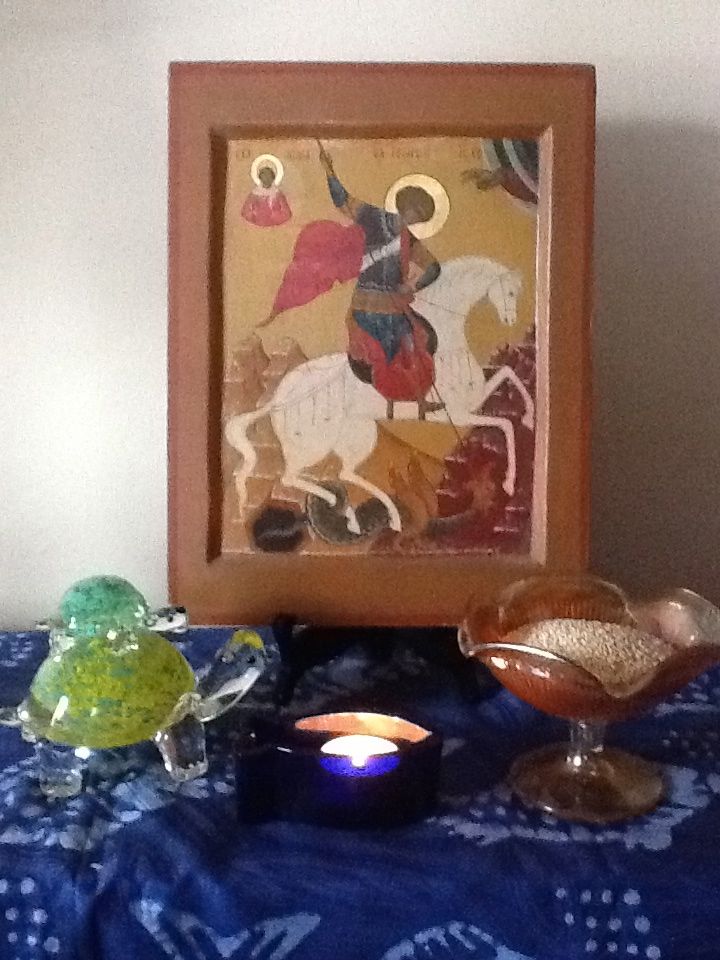
After 10 days neither of us is missing meat or anything else that we have “given up.” (Did I say we almost never eat soy, either? Because of the estrogens.) We are developing a new respect and gratitude for beans, grains, and veggies upon veggies. I have made a Lenten altar with my St. George icon, saint of the aggressive approach I guess. I offer some food there every day. A bowl of amaranth. The squash for the soup I made yesterday at a friend’s house.  A new hummus I figured out myself.

IMG_0846

George with weight-loss tortoises and quinoa

The other part of the Lenten offering is sharing with others. The friend, Sarah, had said last Sunday she was too busy to shop for and cook healthy meals so I offered to cook for her. Yesterday I took the ingredients for a roasted squash soup, vegan cornbread, and salad, and we cooked them up in her kitchen. It took a while. Lenten “fast” food isn’t fast.

And it wasn’t for everybody. Her husband praised the soup but he’d prepared a meat dish for himself because he couldn’t imagine a dinner without meat. I was outside my comfort zone trying unfamiliar recipes in someone else’s kitchen. I’m not sure they were up to my usual standards.

But this is less about standards than about trying, about offering and sharing and enjoying. We had a great evening. The gluten-free vegan no-soy Lenten fast is becoming the Lenten feast.

The Dream Matrix

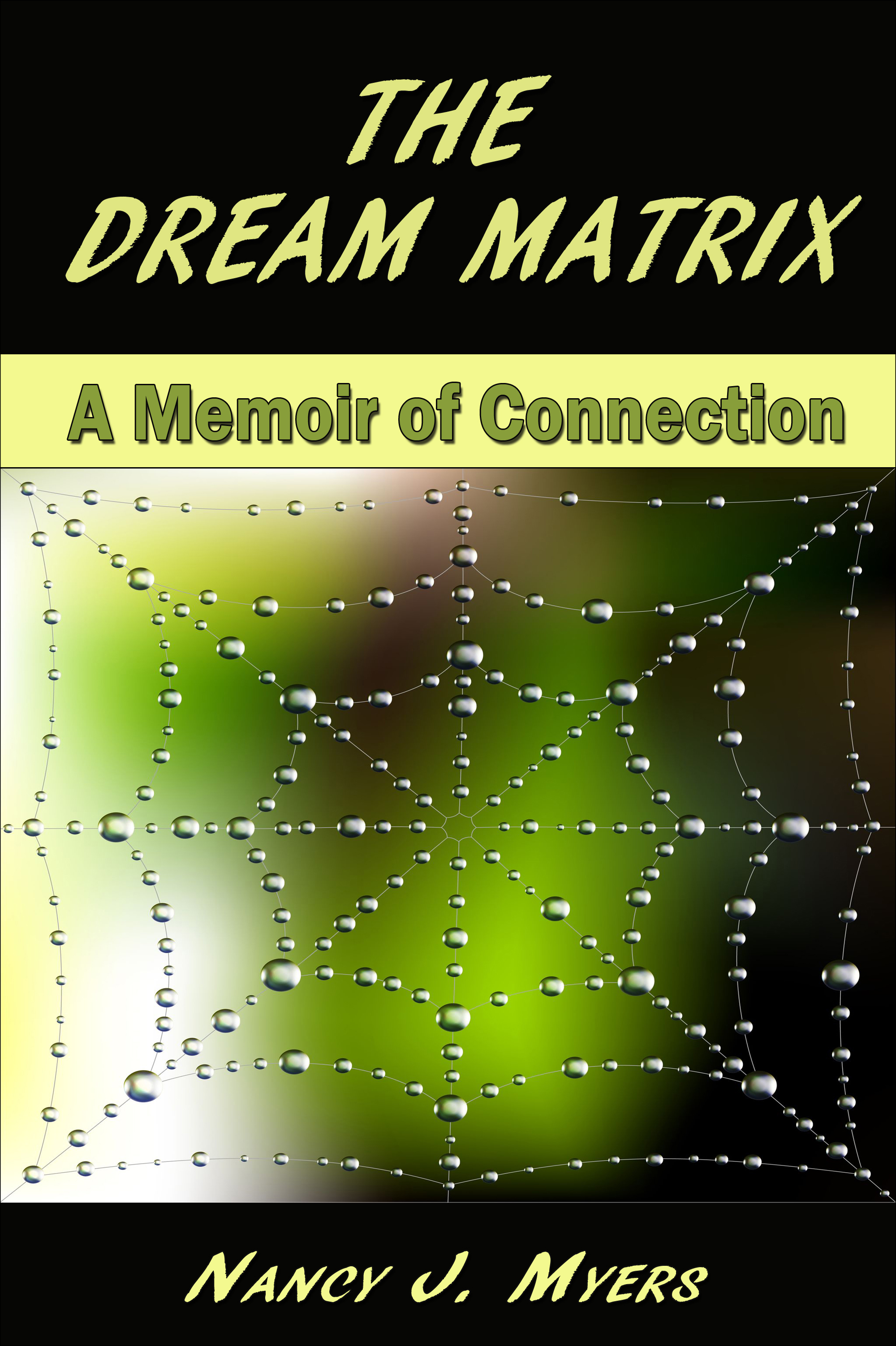
DreamfinalWhen two women begin emailing their dreams to each other they find themselves in the strange, rich world of communal dreaming. The dreaming not only forges their spirituality and deepens their friendship but also becomes a gift to their communities. The dreams enter the arenas of church and environmental policy, as well as the lives of individuals, bringing healing, joy, instruction, and luminous connection with the Divine. This story shows how to share dream time with a community and bring that dreaming reality to the awake world. To those who struggle to do good in a difficult world it brings a comforting message: this soulwork is possible.

If this sounds like a book blurb, it is.  The Dream Matrix: A Memoir of Connection, my cheerfully self-published oeuvre, is now out in all forms, available in print and e-versions at Amazon and other major e-catalogues.

This book tells a cool story. Maybe quirky is the word. It is not deliberately quirky, however, like some movies (Amélie and Moonrise Kingdom come to mind). It is all absolutely true but the truth kept quirking out of control as I tried to capture it. And so I don’t want to hype it but say only absolutely true things about it.

I think, for example, that our dreams crossed borders of time and space. The narrator, my very real alter ego, Stranger (what can I say; quirky), points out when that happens but readers must judge. The way the dreams of my friend, Carolyn Raffensperger, and I crossed into each other’s territory at the time of our correspondence was pretty subtle. Others have far more dramatic experiences to tell.

But paranormal experience is not really the point. As I say in the prologue, “This memoir is a case study in tapping into a less conscious, less defined, less logical, less limited, more creative aspect of our individual selves, which embodies and lives our connection with other people, all life, Creation, and the Divine. . . .It is about getting beneath the surface in order to make surface life—individual, communal, social, including at the ‘policy’ level—more authentic and thus more beautiful. It is about connection. It attempts to describe the matrix for, and ecology of, that interweaving.”

I do believe I am a mystic. I certainly have had some mystical experiences and they enrich my faith. But I’m a practical mystic; that is, I believe such experiences must have something to say to everyday life and the workings of the visible world. This memoir is the backstory for how I came to believe that is possible and necessary. It is also is also a backstory—one of many—for some important ideas that are being made real in the world, such as the precautionary principle and guardianship of future generations.

I hope you will read it and let me know what you think.

The bike fitter

“I hope this isn’t a wild goose chase,” I said to Vic as we drove on a gusty February afternoon toward a tiny town north of Detroit. We’d driven the SUV rather than the preferred subcompact all the way to Ann Arbor for the weekend, for the family visit, in case we decided to carry back a new bike or two from this shop in this place we’d never been before after consulting this bike-and-movement expert whom we had never met.

Clarkston was an hour father from home than Ann Arbor. My commitment to this venture was wavering as the winter blasts buffeted the car. What a day to go bike shopping, and clear across the state of Michigan, at that.

But it wasn’t exactly bike shopping I was after. It was really the consultation. I wanted a new bike but I didn’t know what I wanted except the right one. I am ready to buy the bike I will ride for the rest of my life or as long as I can stay upright.

Our daughter had told me there was this guy who was a Tai Chi friend of her husband, Joseph, and his colleague, Sang, of the Ann Arbor Dojo Kitchen who did nothing but fit people to bikes.  I wasn’t sure what that entailed but I thought that was exactly what I needed. Although I couldn’t help thinking of the mythical host Procrustes, who invited unsuspecting wayfarers to spend the night in his iron bed, which would fit them perfectly. And it did–after he chopped off the guests’ limbs or stretched them to size.

Since we had a limited window of time for this and were driving all this way, I’d called ahead a few days earlier and made an appointment to be sure the expert-owner, Jeff Nofts, would be available. We arrived at Kinetic Systems in Clarkston a little early. “We’ve come a long way to see Jeff,” I said to the lean woman in the cycling jacket behind the counter.

But Jeff was not in. He’d had a dental emergency and had just left to see the dentist. Louise thought he might have forgotten our appointment. Was this a wild-goose chase after all?

She caught Jeff on his cell phone and learned he would be back in 30 or 40 minutes. Of course we would wait. Louise showed us some bikes but the choices just confused me. To kill time we went next door to a restaurant/bar set up in a former church, stained glass windows and all. It was booming on a Monday afternoon. The Clarkston Union was evidently famous for its macaroni and cheese and other gooey specials, which the waitress reeled off enthusiastically by memory before we could stop her to tell her we’d already had lunch and were after a drink and maybe some soup.

I didn’t add that I don’t eat any of that stuff she’d described any more. I could tell Vic was tempted, but we stuck to Southwest roasted corn soup and draft root beer. The soup was too tomato-y for me. Vic finished mine while dreaming of the turkey stroganoff potpie. Another time perhaps. Louise soon appeared to tell us Jeff was back.

Jeff is an effervescent 65-year-old who talks nonstop but doesn’t waste words. One look, before I even had my coat off, and he understood why I was there. “You’re short,” he said. “You have a curve in your back. Your left leg is shorter than the right one because your hip is turned.” I didn’t even know that last part but it is true. “For some people the decision is about what type of bike they want. But for other people, like you, the most important thing is fit.”

As he probed my arms and showed me which one was sore (yes, the left one) and talked about back pain and why my left knee was bothering me, I knew I’d come to the right place. He put me on a bike on rollers. It was a cross, a breed of bike that had been born since we’d made our last bike purchases. But he wasn’t pushing me to a decision. As he watched how I pedaled (“Your left arm moves every time your left leg descends–your right one doesn’t”) and how I slouched rather than leaned, straight-backed, toward the handlebars, he talked about the possibilities he’d like to investigate, about narrowing down the options before my next visit, when I’d do some test rides.

And he recommended a book full of exercises that could help my hips, back, and posture. I recognized it because I’d seen it on Joseph and Joanna’s bookshelves: Pain Free, by Pete Egoscue.

I will work through it before I go back, maybe indeed fitting myself to my new bike as my new bike is fit to me. Though I won’t trim down either of my legs.

Picture your soul

vision board

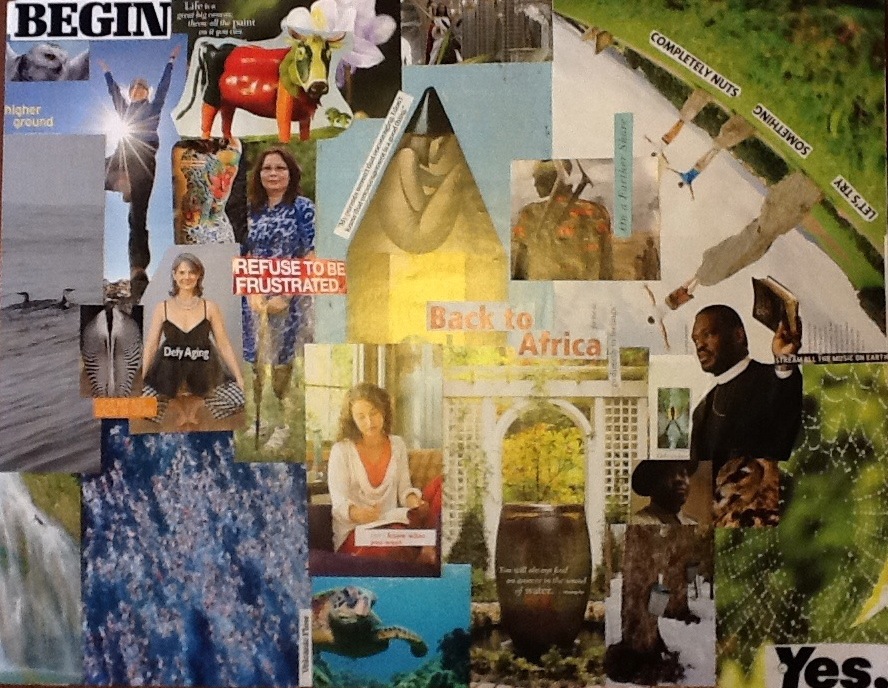
This is a snapshot of my soul right now. Some call this a vision board. I put it together intuitively, thumbing through magazines and clipping pictures and phrases that grabbed me, things I felt where I feel rightness, right around the solar plexus. The gut brain.

I am happy with it. Looking at it makes me happy. I learned things I didn’t know before I did this, like how strong my desire is to go back to Africa, and I relearned things I have known for a long time, like that my soul-medium is water. The sperm-like creatures in the blue picture toward bottom left are swimmers in a triathlon, photographed from a helicopter. My favorite text in the collage is, “You will always find an answer in the sound of water.” It is on the urn fountain at bottom center. Beside it are maple trees hung with buckets. Right now the sap is about to run in the family maple woods 50 miles away. Drip, drip, drip.

In case you are curious about some of the other text too small to read here is some of it:

Life is a great big canvas; throw all the paint on it you can.

Let’s try something completely nuts

Got my ass back in gear (zebra)

My parents weren’t that encouraging. I don’t know that encouragement is a good thing. (girl in the pencil)

Step 1: know what you want (girl with journal)

In the end the love you take is equal to the love you make (tattooed girl).

Although I wasn’t aware of any intentions or meanings when I made my selections, I could tell you now exactly why I chose each picture and phrase, exactly what each one means to me. This is the kind of work I like to do, bringing subconscious knowledge and desires to consciousness. It is dream work, art, writing. Revelation excites me, even–especially–when it concerns something I have known all along. It is one reason I read so many novels. I want to see what writers know about the human experience that I also know or suspect.

I think this is the way with any learning. We learn what we already almost know. For a long time we know in part and then suddenly we know fully. We see through a glass, darkly, and then face to face. We know pieces of the puzzle and then glimpse the whole.

It’s like my granddaughter, two and a half, who has been learning to count. For months she faltered around 5 or 7 or 8 in both of her languages and began mixing up the order. The other day, her mother reports, as she was riding in the car with Mommie, Baba, and Nai-Nai, she opened her mouth and counted from 1 to 10 perfectly in Mandarin and then in English.

Her sudden mastery may go underground again before it is solid in her consciousness. We forget what we know but it is still there and we relearn it. What fun it is to delve into your own psyche and to bring out the beautiful collection of things you know and love and believe and desire. I highly recommend this exercise.


Streaming

streaming-services

I like to think I am a self-starter but sometimes I get really tired of being totally responsible for myself and my work in the world. So I am a frequently lazy self-starter.

On this last day of January 2013, however, I can say that I have gotten a good start on my self-starting this year. It helped to pick a theme for the year–“flow”–because that is how I operate best. I am not a big-oomph, ta-da! initiator. I prefer to ease into things, one step at a time. And so the flow-synonym I adopted as this month’s subtheme was “streaming,” evoking the e-flow of tiny packets of information through the ether, one after another. (I watched a lot of Netflix streaming movies during the dark January evenings but then I always do.)

One step at a time I have created momentum for several projects that I want to complete or continue this year. You can go to plenty of self-help books and blogs to tell you how to do such things. I do not presume to do that. I only report. Here are the tools that have been most effective for me this month.

My flow journal. I have created spreads and sections devoted to several of these major projects, including publishing a book, generating the next writing project, and weight loss and fitness. I record even the minutest bits of progress on these projects in this journal. It makes me feel good.

The List of Difficult Things. Just thinking about things is no good for me. Unrecorded, ideas and tasks float unanchored in my brain, bumping into each other and morphing into overwhelm. Three A.M. thinking is the worst kind–the helpless body and mind take on the to-do lists in the dark and spang! I am awake but paralyzed and everything seems impossible. Because it is, just then.

My antidote to overwhelm is to make a list–at a rational, waking time–of specific tasks that seem somewhat difficult, things that will require some effort, some self-starting. I am generous with what I include on the List of Difficult Things. For example, I hate making phone calls so phoning always goes there, even for overdue chats with friends. (On the other hand I love to be called. Please phone me!)

I then promise myself to tackle one Difficult Thing a day. However, just making the list often makes some of the things on it far less difficult. Yesterday I breezed through two items on the list.

The truth is, the Difficult Things are often not really difficult. Sometimes they are things that seem hard because I haven’t done them before, like formatting a manuscript for e-publishing. When you get right down to it, the task is challenging but not impossible. But often it is amorphous 3 A.M. thinking, conflating everything, that blows things out of proportion. Writing the hard stuff down in the light of day keeps the tasks and ideas discreet and helps me line them up in a sequence. It gets them streaming.

Low-hanging fruit. That sequence for me usually starts with the easiest things. I pick low-hanging fruit. Sometimes I never get farther up the tree, because when I pick the low fruit the higher stuff comes within grasp. Enough of that metaphor; an example: I started by publishing the e-version of my book and now I am working on the print version and it doesn’t seem hard at all.

(Just . . . I could sometimes kill Word and all its little hidden helpers that mess with things. You do not want to know how hard it is to make a linked Table of Contents when Word tucks in default bookmarks that spoil everything. And does it again after you take them out. It has to do with using a Heading style. See, you do not want to know that, either.)

And as I said at the beginning, one thing at a time. I am often a Big Picture thinker. I want to understand the world, people, the future, war and peace. But this does not help my ideas and projects get out in the world. So I direct my attention to the small things, the here and now, the one thing I can do, the one thing I want to do, right now. And I trick myself a little by easing into it. I play. I just mess around, signing up with Weight Watchers for a trial period, daydreaming about my next trip to Congo, downloading the self-publishing manual. No commitments, no promises, not even to myself. Just see where it goes.

This month it went pretty far. More about that book next time.

Communal dreaming

Dreamfinal

Coming soon!

I have been working on a memoir very off and on for years. I will soon be ready to put the e-version out in the world though the print version will take more time. I’ll let you know.

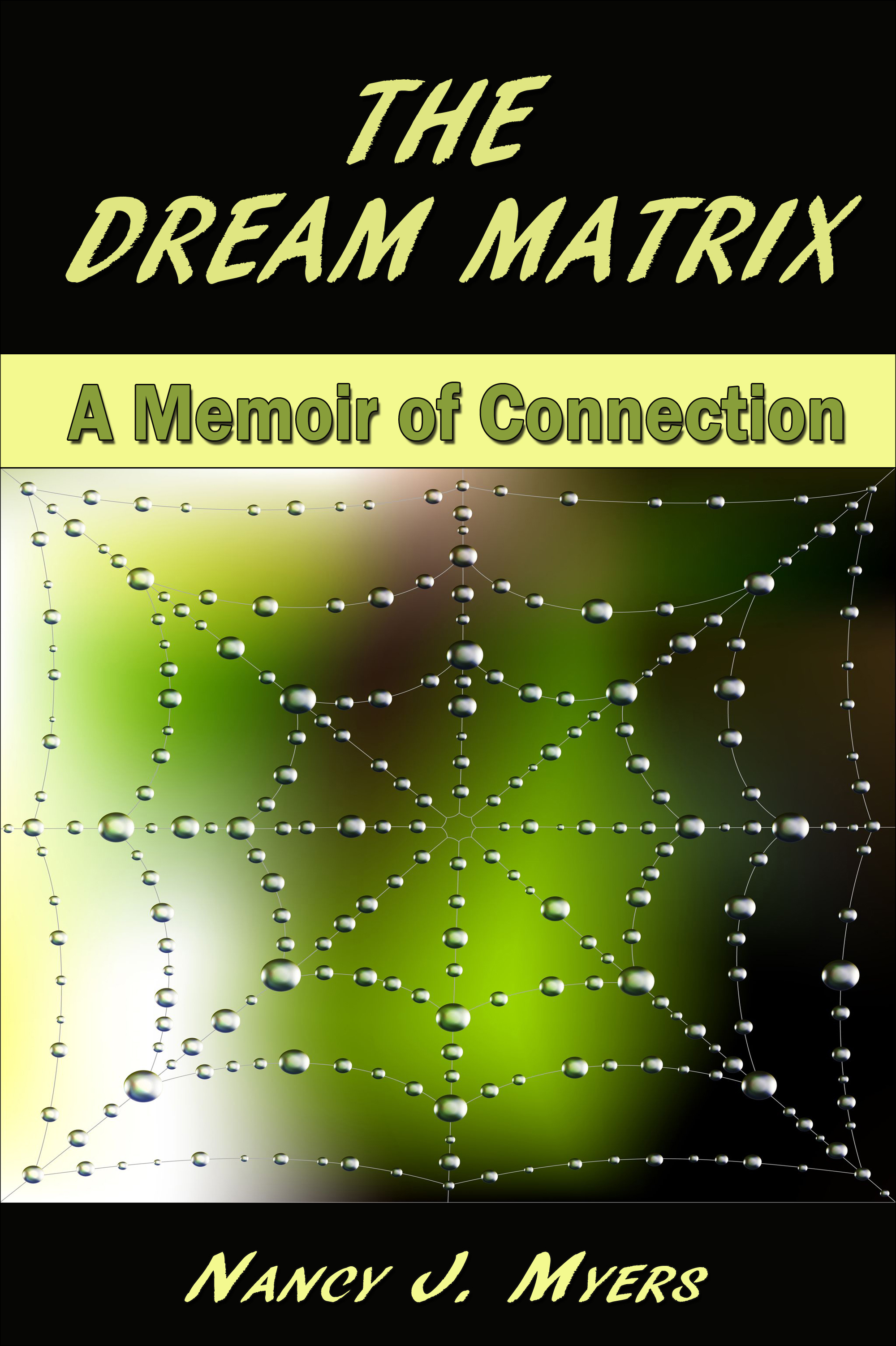
It has taken so long because it is a complicated story. It’s called The Dream Matrix: A Memoir of Connection. How do we actually experience mystical connection with other people and with the Divine? This story is about several threads of my own experience with that, especially communal dreaming. This is what I call night dreams that cross boundaries, becoming a conversation with and for a friend or a community, often moving in the realm of divine mystery. The memoir contains many examples of such dreams and the art of interpreting them.

Communal dreaming harks back to stories in the Bible—Joseph, Jacob, Daniel, and many others dreamed for a community and interpreted the divine messages of dreams. And I consider this story part of my personal “Bible story.” It has also spawned sacred stories for other people and several communities, including the church of which I have been a member for more than 30 years and even the environmental policy community.

Every time—every time—I take this story up to try to finish it, it goes into action again, creating new chapters. That is, I start having dreams again and they take on a communal character. On the one hand this confirms the basic truth of the story but on the other, it’s frustrating. The story keeps squirming out of control, declaring that it has no end. Nevertheless, I’ve limited the memoir to two such periods in my life, ten years apart.

This month as I have been working on the book it has happened again.

Church has been a theme of my life in January. My husband and I are saying goodbye to our longtime Chicago church and becoming members of the church we’ve been attending in our new community 100 miles east of Chicago. I am also helping establish ties between this congregation and a congregation in Kinshasa, DR Congo.

That is, I am transferring church membership and pursuing church-to-church relationships. When you put it that way it sounds dry and institutional, and we churchy Christians often speak in such cryptic, neutral language. We even act as if these were decisions of the head, ones that can be worked out in logic and meetings. But the heart speaks in dreams.

One day last week we met with our new pastor to discuss membership. The same evening I attended a meeting about the Congo relationship. That night I had a pair of dreams about two flocks of very large, beautiful birds. One flock looked like sandhill cranes—birds I associate with the Midwest—but they were in Africa. The other flock was a gorgeous variety of flying ostriches—birds associated with Africa—but they were landing at a set of church retreat buildings in the US, bringing astonishing beauty to a rather drab, institutional center.

I welcomed these dreams as transcendent gifts. They confirmed the rightness of my decision to join a new “flock.” They also symbolized the exchange, the relationship of these beautiful flocks from different cultures and continents.  I may tell the dream next Sunday as my faith testimony when I join the church. Who knows? New Bible stories may unfold.

Getting back on the bike

IMG_0810

My neglected Bianchi

Last year after I suffered a pulmonary embolism I got scared and fat.

Or you could say I lost confidence in my body and one result was that I gained weight.

Ironically, my lungs were found to be riddled with blood clots just weeks after I had achieved a major (for me) athletic goal: I had trained for months and then biked 100 miles one chilly, rainy September day. Actually 106.3 miles.

The health crisis had nothing to do with biking but it knocked the wind out of my sails. I had been all set to buy a new bike in the spring of 2012 and get even more serious about cycling. But all that conditioning—which certainly helped me through the crisis—began leaking away in the 8 days I spent in the hospital at the end of 2011. My energy was at a low ebb by this time last year.

On top of that I was put on blood thinners for the rest of my life because I have a genetic condition that makes me susceptible to clots, and I began to worry about bleeding. You always take a few spills when you are getting used to a new bike and clipless pedals. What if I were biking alone and fell and got a concussion and bled to death before anybody found me?

I didn’t buy a new bike in 2012, nor did I get on my old one. Not once.

I told myself all kinds of stories to justify not biking. I wasn’t ready for a new bike. It was a rainy, weird-weather spring, hard to get on the bike for those 5 consecutive days you need at the start of the season to toughen up your butt. The summer was too hot. I made trips to Congo in May and July.

All that was true, but it is also true that I had lost confidence in my body. I lost confidence in my ability to prevent a fall or recover from it. I lost confidence in my strength and energy. I had long since lost confidence in my ability to control my weight. And my body responded to my lowered expectations. I lost strength and energy, gained weight, and moved with less grace.

I believe my recent bout with back pain was partly a result of this loss of confidence in my physical self. My back had become the repository of all my doubts, insecurities, and fears. Even though I had already begun to reverse the weight gain and energy decline, my back was throwing one last spasm of grief and protest against all the vicissitudes of life as a mortal being. It was at its worst in early December, around the anniversary of the pulmonary embolism.

And then it recovered. I am writing this to celebrate my mortal body, now 68 years old. It is leaner, stronger, more energetic than it was a year ago. I am grateful for my physical presence in this world.

My body will take me on adventures this year. Maybe some of them on a bike. Maybe a new one.

Pain free in mind and body

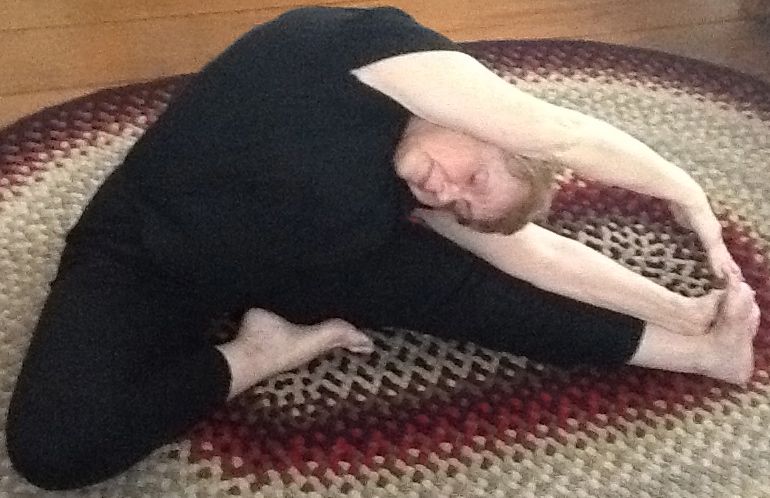
IMG_0805 - Version 2I am grateful to be pain free! I bend double to put on my shoes and go through extreme yoga twists with gratitude for the restoration of my body. I have to smile when the yoga instructors tell us to protect our lower backs because my own experience suggests that it is not the human back that is fragile; it is the psyche.

Over the past several months my back has demonstrated entirely contradictory characteristics.  It has indeed felt fragile, weak, and painful, but it has also felt strong and flexible. To be more precise, strength and flexibility are my back’s normal condition—what you see in the photo is what I could do up to mid-November of last year and what I can do today. But I experienced a six-week interlude in which various sections of my back—low-mid, lower, and right shoulder, in succession—simply stopped normal operations.

Depending on which part was on strike at the time, I couldn’t bend over, twist, or reach higher than my shoulder without risking painful spasms. For a while I could barely walk.

I wrote about this earlier when I had gotten through the worst episode, but that wasn’t the end of it. It seemed that my back wanted to give me a few more lessons so I would really learn what it was trying to say.

You could say that I injured my back and it is now healed. But this simply is not true. Nothing happened to “throw my back out”: the spasms came on gradually. And the restoration of function does not feel so much like healing as a rebound to normal, as if my back just decided to stop making such a fuss.

I also believe that calling this an injury is misleading and downright harmful because it might cause me to treat my back as fragile, in need of protection, and, above all, subject to further “injury.” And when you think it can be injured it will oblige you by taking the next opportunity to do so. It’s a self-fulfilling prophecy.

Dr. John Sarno offers an alternate explanation. The pain and weakness in my various back muscles originated in my brain, which slightly reduced the flow of oxygen to these muscles. Those back spasms were real but they were of mental origin. The cure was two-fold: to physically restore oxygen flow as much as possible through massage, Feldenkrais, and exercise and, more important, to get my brain to stop sending those oxygen-deprivation instructions.

My experience confirms Sarno’s theory that the back pain is a diversion tactic. The mind doesn’t want to face painful, conflicting emotions and therefore lodges its distress in the body.

Over the past six weeks, each time I identified a source of psychic discomfort the pain began to release. But one demo was not enough. One set of pains would go away and another would pop up. Even something as innocent as missing my comfortable home and diet routines while I was enjoying great family time at my son’s house was enough to cause my shoulder to seize up. It did so because I hadn’t consciously acknowledged this particular conflict. When I did, it let go. The situation didn’t have to change; I only had to acknowledge it—and chuckle. Conflicting feelings often get blown out of proportion when they stay underground.

I believe my brain has, at various times in my life, chosen my lower back, my upper back, the skin around my eyes (exzema), my plantar tendon (plantar fasciitis), and the back of my left knee to fool me into thinking my distress is physical rather than mental. This allows me to continue to think that I am a psychologically strong person who can handle anything. Thinking I can handle anything causes me to ignore psychic conflict—especially unacceptable feelings of anger, fear, and anxiety that arise even when I am doing things I want to do with people I love.

These conflicting feelings are inevitable. There is no reason to avoid them or protect ourselves from them. There is no more reason to protect our psyches than to protect our lower backs.

There is every reason, however, to be conscious of them, to grin and breathe deeply and say, hah, that’s happening, I gotcha! And keep our minds, bodies, and spirits moving.